Whether you’re a U.S. or Canadian property owner in Costa Rica, accessing capital against your real estate equity has traditionally been a challenge. Local banks rarely finance foreign buyers. Most transactions settle all cash.
This guide introduces a practical alternative. You can leverage your titled Costa Rican property to unlock funds. We coordinate with private lenders using a documentation-driven approach.
We set realistic expectations from the start. This guide walks you through what we do. It explains how the process works and what you’ll need to prepare.
Our focus is on first-lien mortgage positions. We never arrange second liens. This provides a cleaner structure and better protection for everyone involved.
Lower loan-to-value ratios improve your fit for this financing. Stronger documentation packages help, too. We’ll show you what that means in practical terms.
We clarify what we don’t do. We don’t offer HELOCs or crowdfunding. Our specialty is real estate-backed equity loans on titled property in Costa Rica.
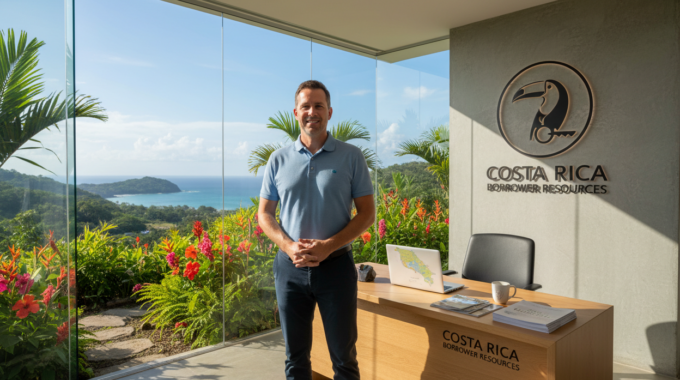
Costa Rica’s business culture is relaxed—think polo shirts, not suits. We translate that into a transparent, straightforward approach to borrower education.
Let’s preview the journey ahead. You’ll understand eligibility guidelines and gather required documentation. You’ll navigate the loan process from intake through lien registration. This helps you make informed financing decisions for your property in Costa Rica.
Comprehensive Overview of Costa Rican Equity Loan Strategies
Navigating the Costa Rican real estate financing landscape as a foreign owner presents unique challenges. Local banks rarely approve loans for buyers with income generated abroad. Even international banks in the country have complex, lengthy processes.
Residency status often becomes a major hurdle. Conventional options typically demand local co-signers and a significant financial footprint within Costa Rica.
Setting the Stage for Informed Financing Decisions
This is where an alternative path becomes relevant. If you already own titled property here, you can access capital against your equity. Our role is to facilitate this through a structured, documentation-driven process.
The Role of Documentation in Securing a First-Lien Mortgage
We coordinate with private lenders to establish a first-lien mortgage position on your property. This provides clear legal protection for all parties. We never arrange second liens.
Approval hinges on your documentation package. We focus on property title, equity position, and intended use of funds—not just income or credit scores. A guideline of up to 50% loan-to-value (LTV) applies.
Lower LTV ratios combined with stronger documentation improve your fit. This isn’t a HELOC or crowdfunding. It’s a structured real estate-backed loan.
Understanding these financing options for your Costa Rica property empowers better decisions. Interest rates in this market can differ from North American norms, but we provide education, not rate quotes.
The Documentation-Driven Process and Private Lender Coordination
At the heart of our approach is a meticulous, documentation-driven process that coordinates with private lenders. We guide you from initial inquiry to final lien registration. This framework ensures transparency and reduces surprises at every stage.
Understanding the Step-by-Step Approach
Our process begins with an intake phase. You provide property details and preliminary documentation. We assess your situation against our guidelines and the lender’s criteria.
Next comes documentation review and due diligence. We examine title clarity and verify your equity position. This phase often takes weeks, as Costa Rican property records require careful analysis.
We then move to structuring the loan terms with the private lender. The final steps are closing and lien registration. There are no guarantees, but a strong documentation package is key.
Benefits of a First-Lien Mortgage over Second Liens
A first-lien mortgage provides the lender with legal priority on your property. This is different from a second lien, which sits behind existing debt. First-lien positions offer cleaner legal standing for everyone involved.
We contrast this with seller financing. Sellers may offer short-term payment plans, often under five years. These arrangements usually require a large down payment, typically 50%.
Alternative structures like a Fideicomiso de Garantía are growing in popularity. Our focus, however, remains on traditional first-lien mortgages recorded in the National Registry. This method provides a straightforward and secure framework for your financing.
Strong loan applications for Costa Rica property financing are built on two pillars: a conservative loan-to-value (LTV) ratio and robust documentation. We guide you through how these elements work together.
How 50% LTV Guidelines Influence Loan Eligibility
Our guideline of up to 50% LTV is a conservative starting point. It means the loan amount typically won’t exceed half your property’s appraised value.
This protects both lender and borrower from overleveraging. For example, a $150,000 request on a $400,000 property (37.5% LTV) is often viewed more favorably than a $200,000 request (50% LTV). A lower LTV directly improves your eligibility.
Enhancing Your Application with Strong Documentation
Stronger documentation means providing a clear, verifiable picture of your asset. This includes a clean title report, current property tax receipts, a registered property plan, and proof of your equity position.
How you hold the asset—personally or through a local corporation—affects the paperwork. Your equity cushion also matters, as it mitigates risk for the lender against market shifts.
This information helps you understand your fit for this type of financing a house in Costa Rica. We provide education to inform your decisions.
Essential Borrower Preparation Steps
Effective borrower preparation streamlines every phase of the financing journey. We outline exactly what you need to gather before initiating the intake process. Being organized demonstrates your seriousness to the private lender.
Required Property Details and Ownership Information
Start with your property’s full legal description from the National Registry. You’ll need the property identification number (folio real) and current use—like a vacation home or investment property.
Ownership documentation is key. If you hold title personally, provide your deed and current registry certificate. For assets held through a Costa Rican corporation, we need corporate papers and shareholder details.
Include the registered survey, or plano catastrado. It shows exact boundaries and must match official records. For properties without municipal water, provide water availability letters.
Gathering Proof of Equity and Identifying Intended Use of Funds
Proof of equity comes from your original purchase documents or a mortgage cancellation record. This shows you hold clear title to the asset.
The private lender will want to know your intended use of funds. Clarity here—whether for property improvements or another investment—helps the underwriting process.
While not always required, recent property tax receipts demonstrate good standing. Budget for typical closing costs, including attorney fees of 1-1.5% plus VAT. Total professional fees often run 3-4%.
Always use a qualified bilingual attorney. They verify title and facilitate the final lien registration. This preparation makes the path from intake to closing much smoother.
From Intake to Lien Registration: The Loan Process Explained
Understanding the sequential steps from intake to registration demystifies the equity loan process. We coordinate with private lenders to guide you through each phase.
This path has no guarantees, but clarity helps manage expectations. The goal is placing the lender in a first-lien mortgage position upon approval.
Critical Phases: Due Diligence and Title Review
Due diligence is the most critical stage. Your attorney and the lender’s counsel examine National Registry records.
They confirm your property holds a registered title. Beachfront concession land or possession-rights parcels do not qualify for a recorded mortgage.
Any existing liens or tax issues must be resolved here. This review protects all parties and can take several weeks.
Structuring and Closing the Loan
Once the title is clear, we structure the loan terms with the lender. Your attorney prepares the mortgage document, or hipoteca.
Closing typically occurs at a notary’s office. You and the lender’s representative sign the agreement.
Funds are disbursed through an escrow account. Your attorney then files the hipoteca with the National Registry.
This final lien registration establishes the lender’s legal priority. Budget for related fees, including attorney and registry costs.
The entire process often spans 60 to 120 days. Using a qualified, bilingual attorney is essential for a clean closing.
Financing Options Tailored for Costa Rican Real Estate Investments
For foreign property owners in Costa Rica, identifying the right financing solution starts with knowing what we do—and what we don’t. The market here is distinct, and many common North American products simply aren’t available.
Excluding HELOCs and Crowdfunding from the Equation
We do not offer home equity lines of credit (HELOCs). These revolving credit products require a regulatory framework that doesn’t exist for cross-border real estate in Costa Rica.
Crowdfunding platforms also fall outside our process. They lack the legal structure needed for clear, secured real estate financing here.
Our focus is different. We coordinate with private lenders to secure first-lien mortgage positions on your titled property. This is not a bank loan or seller financing arrangement.
Some U.S.-based private lenders do offer mortgage products for Costa Rican real estate. These are typically limited to U.S. citizens and require compliance with both U.S. and Costa Rican regulators, including SUGEF certification.
In-country hard money loans are another option. They are often short-term, with simpler qualification but higher rates. Our niche is longer-term, amortizing structures with a clear, documentation-driven process.
Understanding these distinctions helps you navigate the financing landscape effectively. We provide the clarity needed to make informed decisions about your property investment.
Navigating First-Lien Mortgages and LTV Guidelines
A lower LTV request significantly enhances your application’s strength when seeking equity financing. Our guideline of up to 50% loan-to-value is a starting point. Lower ratios create a larger equity cushion.
How Lower LTV Enhances Loan Fit and Approval Chances
A smaller loan relative to your property’s value reduces risk for the lender. This makes approval more likely. For example, a 35% LTV request is often viewed more favorably than a 50% LTV request on the same asset.
That extra equity buffer protects both parties if market values shift. Strong documentation combined with a conservative LTV improves your overall fit for this financing.
Coordinating with Private Lenders for Clean Closings
We facilitate the documentation process and coordinate with established private lenders. Our goal is alignment from intake through closing.
A clean closing means no surprise liens or title defects. It requires thorough upfront work by all parties. This coordination helps ensure the lender is placed in a secure first-lien mortgage position upon approval.
Final Thoughts on Your Costa Rica Equity Loan Journey
As we wrap up this guide, remember that success hinges on documentation, conservative leverage, and professional coordination. These fundamentals apply whether you’re improving your current home or purchasing investment properties.
Costa Rica’s real estate and financing landscape operates differently. Timelines are longer, and civil law governs transactions. Respecting these differences prevents frustration.
This information is educational—not legal advice or a loan offer. There are no guarantees of approval. Some properties or requests won’t qualify.
Due diligence is non-negotiable. Always use a qualified bilingual attorney and protect funds with escrow. For personalized guidance on home equity loan planning in Costa, contact us via WhatsApp at +506 4001-6413 or call 855-562-6427.
The business culture here is casual. Think polo shirts, not suits. But the commitment to professional standards remains high for a clean closing.
FAQ
What is the most important factor for qualifying for a property equity loan in Costa Rica?
The single most critical factor is your documentation. Costa Rican banks and private lenders base their approval heavily on a complete, verifiable paper trail. This includes clear proof of property ownership, a current property appraisal, and your financial history. Strong documentation directly translates to better loan terms and a smoother approval process.
How does the 50% Loan-to-Value (LTV) guideline benefit me as a borrower?
A lower LTV, like 50%, significantly reduces the lender’s risk. This increased security for them often means a more favorable interest rate and faster approval for you. It demonstrates you have substantial skin in the game, which makes your loan application much more attractive and manageable for all parties involved.
What are the key steps in the equity loan process from start to finish?
The process is documentation-driven. It starts with you providing property details and proof of equity. We then coordinate due diligence, including a title review and property appraisal. Once terms are set, a local attorney prepares the first-lien mortgage contract for signing. The final step is registering that lien at the National Registry, securing the loan against your property.
Why is a first-lien mortgage preferred over a second lien or other financing options?
A first-lien mortgage provides the cleanest, most secure position for both lender and borrower. It avoids the legal complexity and higher risk of a second-position loan. For you, it often results in better rates and terms. Other options like HELOCs or crowdfunding are generally not viable or secure for foreign property owners in the Costa Rican market.
What kind of risks should I be aware of with private lenders?
The primary risks involve higher interest rates compared to traditional banks and potential prepayment penalties. However, a reputable private lender coordinated through a professional service mitigates these risks through transparent terms and a legally sound first-lien structure. We ensure all fees and risks are disclosed upfront before you commit.
How long does it typically take to secure an equity loan on my Costa Rican home?
With all your documentation in order, the process typically takes 4 to 8 weeks. The timeline hinges on the efficiency of the due diligence phase—especially the property appraisal and title review—and the National Registry’s schedule for final lien registration. Good preparation on your end is the best way to avoid delays.
Can I use the loan funds for any purpose, like buying another property or home improvements?
Yes, one of the key advantages of this financing strategy is flexibility. You can use the capital for various investment goals, including purchasing additional real estate, funding major renovations on your current property, or consolidating other debts. You will need to identify the intended use during the application process.
Article by Glenn Tellier (Founder of CRIE and Grupo Gap)
Understand what-loan-to-value-means-costa-rica with our guide. We help you secure first-lien equity loans through a clear, documentation-driven process.
Need real-estate-lending-opportunities-outside-traditional-markets? We provide clear guidance on Costa Rica equity loans. Contact us at gapequityloans.com.
Understand how-private-lending-works-costa-rica. We guide you through our documentation-driven process for first-lien mortgages. Contact us at 855-562-6427.