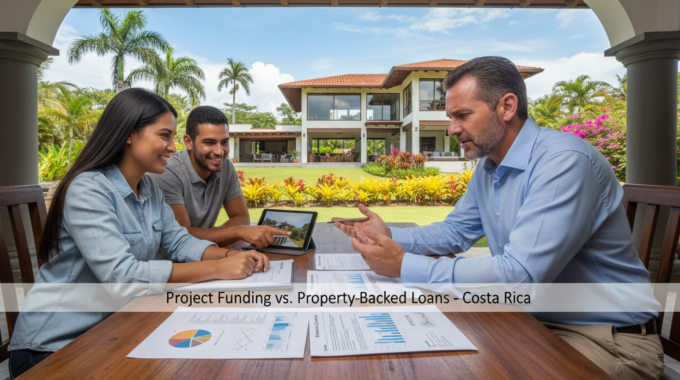
You are likely one of the many international buyers drawn to Costa Rica. Its stunning natural beauty and eco-conscious culture make it a prime destination.
Finding your dream home in this tropical paradise is an exciting journey. Yet, understanding the financing landscape is a critical first step.
Recent reports show strong demand. Foreign investment in Costa Rican real estate jumped over 20 percent in just the past year.
This guide provides a comprehensive look at navigating property financing in 2025. We help you understand the nuances of funding your purchase with confidence.
We clarify the differences between various options. This ensures you make an informed decision for your future in the country.
Whether you need a vacation home or a retirement retreat, we’re here to help. Explore solutions like long-term hard money loans and other tailored financing.
Understanding Costa Rica’s Real Estate Financing Landscape
The allure of Costa Rican property is matched by a dynamic and sometimes complex financing environment. The real estate market here shows consistent stability.
Annual appreciation rates range from 8 to 15 percent in sought-after regions. This includes areas like Guanacaste, San José, and various coastal towns.
Market Overview and Investment Trends
Hotspots such as Tamarindo and Nosara attract significant international interest. North American and European buyers are often drawn for lifestyle changes.
Understanding these local real estate trends is essential. It helps you align a purchase with long-term investment goals.
Key Considerations for International Buyers
Costa Rican law allows full foreign ownership, which is a major advantage. However, special regulations govern properties near the coast.
The maritime zone within 200 meters of the high-tide line has distinct rules. We always recommend working with a qualified local attorney.
This ensures you navigate legal protections and potential hurdles effectively. It’s a crucial step for securing your dream home.
How Project Funding Works for Property Financing in Costa Rica
Understanding the funding process is your first practical step toward turning a property dream into reality in Costa Rica. This system has specific steps and requirements.
We guide you through the typical flow so you know what to expect from start to finish.
An Overview of the Funding Process
Securing a mortgage here usually means working with a local bank. Institutions like BAC San José, Banco Nacional, and Scotiabank are common choices.
They often require a substantial down payment—typically between 30 and 50 percent of the purchase price. The entire financing process is known for being bureaucratic.
It can frequently take several months from application to final approval. This timeline makes early preparation absolutely vital.
The Role of Documentation and Due Diligence
Extensive paperwork forms the backbone of any successful application. You must provide official translations of all financial records.
Due diligence is a mandatory phase your attorney handles. They verify the property title and check for hidden liens or legal problems.
Local banks are conservative and scrutinize applications closely. They rarely lend to non-residents without significant local ties or a very clear financial profile.
Understanding these requirements early helps you succeed. For specialized needs, like planning to finance specific improvements, exploring all your options is wise.
project-funding-vs-property-backed-loans-costa-rica: Breaking Down the Options
Navigating property acquisition in Costa Rica means evaluating whether traditional or private lending suits your goals. The local market offers distinct financing paths.
Each option carries unique benefits and constraints. We help you understand them clearly.
Differences Between Funding Approaches
Speed is a major differentiator. Private lending often provides capital much faster than a traditional bank loan.
Seller financing is another popular route in the country. It can streamline the purchase if you have a ready down payment.
Private lenders also show more flexibility with your income verification. This convenience, however, usually comes at a higher cost.
Advantages and Limitations Explored
Understanding the specific terms of any loan is crucial. Some arrangements include a balloon payment due in a short period of time.
Your choice depends on your timeline and financial profile. A short-term private loan might serve a quick investment, while a long-term mortgage offers stability.
We encourage you to weigh these factors against your real estate objectives. The right financing option supports your vision for property in Costa Rica.
Navigating the Real Estate Equity Loan Process with GAP Equity Loans
GAP Equity Loans simplifies the path to securing a first-lien mortgage through a documentation-focused approach. We guide you with a casual, professional style—think polo shirts, not suits—while managing the details.
Our mission is clear. We provide straightforward, property-backed equity solutions for your needs in Costa Rica.
Preparing Your Required Documentation
Success hinges on a strong, documentation-driven process. You, as the property owner, will gather key items.
This includes full property details, proof of ownership, and your tax status. We also need the official survey (plano), water letters, and any easement records.
Strong proof of equity and your identification complete the package. Better documentation and a lower loan-to-value ratio—our guideline max is 50%—significantly improve your fit.
Coordinating with Private Lenders for a First-Lien Mortgage
We coordinate directly with private lenders on your behalf. Our goal is singular: when approved, the lender holds a secure first-lien mortgage.
We do not facilitate second liens, HELOCs, or crowdfunding. This focus ensures integrity for your loan closing.
Understanding this process is part of grasping the broader landscape of mortgages and financing in Costa Rica. Clear coordination helps manage timelines and associated costs, leading to a clean transaction in Costa Rica.
Essential Preparations for Borrowers in Costa Rica
Successfully securing financing for a property in Costa Rica begins long before you submit an application. We guide you through the essential groundwork that builds lender confidence and streamlines the entire process.
Thorough preparation minimizes surprises and helps you manage potential costs. It transforms a complex procedure into a manageable series of steps.
Gathering Property Details and Ownership Information
Start by compiling comprehensive property details. This includes the official survey, known as the plano, and any water letters from the local provider.
Ownership documentation is equally vital. Whether you hold the title personally or through a Costa Rican corporation, having these records organized is non-negotiable.
Verify your tax status and document any easements or rights-of-way. This step prevents delays during the lender’s due diligence phase.
Preparing your financial profile is also essential. Proof of income and credit history gives any lender a clear picture of your stability.
Taking time to organize these documents early saves significant stress later. It positions you for a smoother closing when you finalize your loan.
Step-by-Step Guide to the Financing Process
The journey from loan application to funding follows a defined path, with critical checkpoints along the way. We guide you through each phase to ensure clarity and confidence.
From Intake and Documentation to Due Diligence
It all starts with a thorough intake. We review your documents to confirm they meet the requirements for a successful application.
Next comes due diligence. A qualified local attorney verifies the legal status of the property. This step protects your investment.
Title Review, Structuring, and Closing Steps
A clean title is essential. Your attorney performs a detailed review to uncover any liens or legal issues.
Structuring the loan involves defining clear terms. We ensure all legal protections are in place for you and the private lender.
The closing includes formal document signing. All parties coordinate to finalize the agreement.
Lien Registration and Finalizing Your Loan
Lien registration secures the lender’s interest in the property. This is a mandatory step in the country.
Finalizing your loan requires careful coordination. We manage the process to ensure the mortgage is properly recorded. This minimizes your closing costs and time.
Comparing Financing Options Beyond Traditional Bank Loans
The security of your investment often hinges not on the lowest rate, but on a transparent and reliable financing journey. You have several paths to consider in this country.
Focusing on Process Integrity over Lower Rates
Many buyers discover that a smooth, well-managed process is more valuable than chasing the cheapest terms. Traditional banks may advertise attractive rates.
Their bureaucratic procedures can create significant delays. These hurdles might jeopardize your ability to close on a property within your desired timeframe.
Risk Management and the Importance of Strong Documents
Effective risk management starts with impeccable documentation. We prioritize strong paperwork to protect your stake in the Costa Rican real estate market.
A thorough document package gives any lender clear confidence. It verifies ownership, equity, and legal standing for the property.
This documentation-driven approach minimizes potential risks. It provides a more reliable foundation than slower, traditional bank loans.
Choosing an option that values clear communication and legal security simplifies your purchase. It helps you manage overall costs and navigate the local market with greater assurance.
Legal and Logistical Considerations in Costa Rican Property Finance
Your property closing’s success hinges on compliance with Costa Rica’s specific notary and registration requirements. Understanding these final steps protects your investment and prevents unexpected delays.
Understanding Local Regulations and Notary Requirements
A licensed notary public must oversee every real estate closing here. This legal professional ensures your property title transfers correctly and gets registered with the national registry.
You should also budget for standard fees like the 1.5 percent transfer tax. Knowing these regulations upfront helps you calculate the true total cost of your purchase.
Minimizing Costs and Avoiding Hidden Fees
One key cost is mortgage registration, typically 1.64 percent of the loan amount. We advise requesting a detailed breakdown of all legal and administrative fees before committing.
Working with a reputable local law firm provides the best protection. They ensure every aspect of your transaction is sound and help you avoid surprises.
Final Thoughts on Securing Your Dream Home in Costa Rica
Owning a home in Costa Rica represents a significant milestone. Securing the right financing is the final, crucial step to making it yours.
With a clear strategy, this rewarding goal becomes entirely achievable. Do not let the complexities of the local real estate market deter your smart investment.
We are here to provide the guidance you need. Our documentation-driven process coordinates with private lenders for a secure, first-lien mortgage.
Reach out via WhatsApp at +506 4001-6413 or call 855-562-6427 to discuss your property financing needs. You can also visit gapequityloans.com to learn more.
Contact us today to start your journey toward owning property in Costa Rica with confidence and clarity.
FAQ
Can foreigners get real estate financing in Costa Rica?
Yes, but traditional mortgage options from local banks are very limited for non-residents. This is why alternative financing, like property-backed loans from private lenders, has become essential. We connect property owners with private lenders who use your home’s equity as collateral, offering a viable path to financing property.
What is the main difference between project funding and a property-backed loan?
Project funding is typically for developers to finance construction, while a property-backed loan uses your existing real estate equity for cash. For individual buyers or owners, a loan secured by a first-lien mortgage on your titled property is the direct and common solution for accessing capital without selling.
How long does the loan process take with a private lender?
The timeline is a major advantage. From complete documentation to funding, the process with our network of lenders can often be completed in as little as 4-6 weeks. This is significantly faster than the lengthy, uncertain process at a Costa Rican bank.
What documents do I need to apply for a property equity loan?
You’ll need proof of ownership (property title), a copy of your passport, and basic property details. We also coordinate a current property appraisal and a title review. Our role is to manage this documentation complexity for you, ensuring everything meets the lender’s due diligence requirements.
Are closing costs high for this type of financing?
Closing costs are transparent and typically include legal fees, notary fees, and lien registration with the National Registry. While these are standard for any real estate transaction in Costa Rica, we help minimize surprises by outlining all estimated fees upfront. There are no hidden costs.
What happens if I don’t speak Spanish?
We act as your guide and translator through the entire process. All coordination with local attorneys, notaries, and the registry is handled by our bilingual team. You’re kept informed at every step in clear English, removing the language barrier as a concern.
Is a local attorney necessary for the loan closing?
Absolutely. A reputable local attorney is mandatory for a secure closing. They prepare the mortgage contract, ensure proper notary protocols, and register the lien. We work with trusted legal professionals to safeguard your interests and ensure the process integrity of your loan.
Can I get financing if my property is still under a bank mortgage?
In most cases, the private lender will require a first-position lien. This means any existing mortgage must be paid off. We can help structure the new loan to facilitate this, using the funds to clear the old debt and provide you with additional capital if needed.
Article by Glenn Tellier (Founder of CRIE and Grupo Gap)
Understand what-loan-to-value-means-costa-rica with our guide. We help you secure first-lien equity loans through a clear, documentation-driven process.
Need real-estate-lending-opportunities-outside-traditional-markets? We provide clear guidance on Costa Rica equity loans. Contact us at gapequityloans.com.
Understand how-private-lending-works-costa-rica. We guide you through our documentation-driven process for first-lien mortgages. Contact us at 855-562-6427.