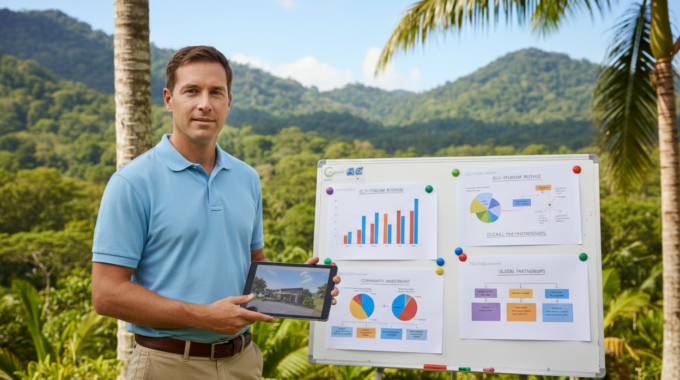
Launching a development project in Costa Rica is an exciting venture. It also requires significant upfront planning. Successful projects here are often built on 12 to 24 months of essential groundwork before construction even begins.
This reality makes preparation everything. You need a clear roadmap to navigate the complex regulatory environment and secure the necessary capital. Understanding this process is the key to avoiding common pitfalls and ensuring long-term success.
We created this guide to provide that clarity. It aligns your expectations with the local market’s realities. The journey typically involves 6-12 months for permit acquisition, followed by 3-6 months for funding approval.
Our team acts as your partner. We provide the specialized knowledge to bridge the gap between your property equity and the financing you need. For a deeper dive into critical early steps, explore our resource on master project funding in Costa Rica.
This information serves as an educational starting point. It helps you understand the landscape as you move forward with confidence in your Costa Rican venture.
Understanding the Costa Rican Investment Landscape
Costa Rica’s investment landscape presents a compelling opportunity for astute international investors. The country combines political stability with consistent economic growth. This creates a predictable environment for capital allocation.
Economic Stability and Growth Indicators
We see a solid foundation here. Costa Rican GDP growth averages 3.2% annually. Property values are increasing by approximately 7.5% each year, outpacing many traditional markets.
This steady appreciation signals a healthy real estate sector. It attracts capital seeking long-term stability. The dollarized property market further reduces currency risk for foreign investors.
Market Growth and Demand for Projects
Tourism drives significant demand. Record levels of over 4.5 million visitors annually create a need for quality accommodations and infrastructure. Government commitment is clear, with investments exceeding 1.3 billion USD.
This spending supports the growing needs of the economy. It makes projects in Costa Rica increasingly attractive. Focusing on sustainable development aligns with the expanding luxury and eco-tourism sectors, a key to successful projects here.
Understanding this market’s dynamics is crucial. It allows you to better position assets for appreciation. We recommend beginning with a comprehensive due diligence checklist to navigate this promising landscape.
Navigating Permits and Required Documentation
The success of any real estate venture in Costa Rica hinges on securing the correct permits and documentation. This process validates your plans for both authorities and potential financiers.
Essential Permits for Construction and Development
Your first major step is the Municipal Construction Permit (Permiso de Construcción). You obtain this from the local municipality governing your property.
Parallel to this, you must secure Environmental Viability (Viabilidad Ambiental) from SETENA. This is a mandatory review for all major development projects in the country. Professional plans also need approval from the Federated College of Engineers and Architects (CFIA) to meet local building standards.
The Importance of the Water Availability Letter
Perhaps the most critical document is the water availability letter (carta de disponibilidad de agua). Issued by AyA or a local ASADA, it confirms sufficient water capacity for your project’s specific needs.
Without this letter, your project cannot proceed. This halt can happen regardless of other approvals or funding availability, leading to significant unexpected costs. We advise creating a detailed budget that outlines all permitting costs from the start.
Navigating these requirements for projects in Costa Rica demands patience. Proper documentation of your property is essential to align your development with local zoning. Our team helps manage this complex process, ensuring your application is robust enough to secure the necessary funding.
Preparing Your Project for Funding
Your project’s journey from concept to financed reality begins with gathering essential property details. Lenders need a complete picture of your asset to assess risk and viability. This preparation phase is where many applications succeed or stumble.
We guide you to compile a dossier that meets institutional standards. This upfront work demonstrates your commitment and professionalism. It significantly increases your chances of securing the necessary capital.
Gathering Property Details and Ownership Information
Start with the basics. Document your property’s current use, exact size, and precise location. Lenders will scrutinize the site conditions during their due diligence.
Clarify your ownership structure. Are you holding the asset personally or through a corporation? Ensure your tax status is current and transparent. This is vital for a smooth application process.
You must provide a valid plano—the official survey—and any easements or rights-of-way. These documents verify the legal standing of your land. Proof of your equity investment is equally non-negotiable for qualifying.
For business ventures, include a detailed plan with local market projections. Some entities require specific tax documentation for fund transfers. We help you organize everything, highlighting the strengths of your investment in the competitive Costa Rican market.
how-to-position-a-project-for-funding-costa-rica: A Documentation-Driven Process
A structured, documentation-first methodology is the cornerstone of positioning any project for successful funding in Costa Rica. We believe clarity and order are essential for securing the capital your venture needs.
Steps from Intake to Lien Registration
Our process begins with a detailed intake. We review your project goals, budget, and specific financing needs to determine the best strategy. This initial conversation sets the stage for everything that follows.
Next, we move into documentation collection and verification. This phase builds the formal application package for our network of private lenders. A critical step is the due diligence and title review, which protects your interests and ensures all legal paperwork is flawless.
Following a positive review, we work on structuring the loan terms. Upon approval, we coordinate the closing and finalize the lien registration. We ensure the lender secures a first-lien mortgage position, providing security for their investments.
We provide this information as an educational guide. While we strive for success, please note there are no guarantees in the lending process. For personalized help, contact us via WhatsApp at +506 4001-6413 or visit gapequityloans.com.
Structuring Equity Loans with GAP
At GAP Equity Loans, we provide a dedicated pathway for securing real estate-backed capital. Our services focus exclusively on equity financing for property developments in Costa Rica. This clear approach helps turn your asset’s value into accessible funding.
We coordinate with private lenders to structure terms that align with your project’s long-term goals. Our strategy is built on transparency and a rigorous verification process.
Guideline Maximum LTV and Collateral Requirements
Our guideline maximum loan-to-value (LTV) ratio is 50%. This standard provides security for the lender and a solid foundation for your investment.
A lower LTV, combined with strong documentation, significantly improves your fit for funding. All loans are secured by a first-lien mortgage on the property. We do not offer HELOCs, crowdfunding, or other loan types.
This focus ensures we deliver high-quality, secured equity financing. It protects all parties involved in the transaction.
Simplified Application and Approval Process
We have streamlined our application process to meet market demand for efficient financing. You can expect an initial review of your submission within 48 hours.
A final decision typically follows in 5 to 10 business days. Our team assists you in meeting industry standards for a successful approval.
We evaluate your project needs and collateral to create a tailored strategy. This helps businesses secure the necessary capital for their developments in the Costa Rican market.
Managing Expectations and Timelines in Funding Projects
Misaligned expectations about processing durations are a primary source of frustration for international developers. The most common error is assuming the permitting process in Costa Rica mirrors your home country’s system.
This assumption can derail even well-capitalized ventures. A realistic view of the dual timelines for permits and financing is your best defense.
Realistic Permit Acquisition and Due Diligence Durations
Most development projects require 6 to 12 months for permit acquisition. You must build a significant buffer into your project budget for this phase.
Securing funding often takes an additional 3 to 6 months after permits are in hand. Planning for this sequential process is essential for maintaining your schedule.
We recommend a proactive approach to due diligence. Have all documentation prepared well in advance of your funding requirements.
Understanding these realities helps you manage your investments. It ensures you have sufficient funds to reach each milestone.
Unlike traditional banks with rigid terms, our financing solutions are designed for flexibility. They align with your project’s unique progress and challenges.
Thorough preparation is the best way to navigate the regulatory landscape. For detailed guidance on critical early permits and water rights, review our resource on project financing and permits in Costa.
Our team provides the guidance needed to keep your venture on track. We help you navigate the complexities of the local development environment with clear eyes.
Ensuring Success Through Comprehensive Due Diligence
Protecting your capital in a foreign market demands a rigorous and systematic verification approach. Comprehensive due diligence is the best way to mitigate risk and build a solid foundation for your venture.
Reviewing Documentation and Market Analysis
We employ a detailed 44-point due diligence process. It examines every legal, technical, and financial aspect of your property and development plans.
Our team includes over 45 specialized attorneys. They ensure full compliance with both Costa Rican and international regulations. This thorough verification protects your investment.
Our market analysis is equally critical. We provide the data to confirm your project aligns with current demand in the Costa Rican business sector. This step verifies the financial feasibility of your plans.
This structured framework simplifies the process for international investors. It provides a security layer that traditional banks often lack. Partnering with GAP Equity Loans gives you access to this disciplined investment approach.
We help you build confidence in your next project. Contact us via WhatsApp at +506 4001-6413 to discuss how our due diligence services support your goals.
Final Thoughts on Securing Costa Rican Project Funding
The culmination of your project planning is turning prepared equity into accessible, strategic funding. Securing this capital requires a deliberate blend of thorough preparation and expert guidance.
Successful projects in Costa Rica share key traits. They are built on solid groundwork, realistic timelines, and partnerships with experienced local guides. This approach is the best way to navigate the unique Costa Rican landscape with confidence.
We are committed to helping you turn your vision into reality. For a casual, professional consultation to secure your funds, reach out via WhatsApp at +506 4001-6413, call 855-562-6427, or visit gapequityloans.com. Let’s bridge the gap between your property equity and the financing you need.
FAQ
What makes the Costa Rican market attractive for project funding?
Costa Rica offers a stable economy and consistent demand for quality real estate developments. This creates a favorable environment for investors. We help you position your project to meet this market demand, which is key for securing financing.
Why is proper documentation so critical for funding in Costa Rica?
Lenders and investors here prioritize legal certainty. A complete dossier—including clean title, verified ownership, and key permits like the water availability letter—builds immediate trust. It demonstrates your project’s legitimacy and significantly reduces perceived risk for the funding source.
What is the first step in preparing my property for an equity loan?
Start by gathering all property details and ownership information. You’ll need a current property survey (plano), the registered title, and your personal ID. Our team at GAP Equity Loans reviews this to confirm your equity position and guide you on the next steps for a loan.
How does GAP Equity Loans simplify the funding process?
We manage the complexity for you. Our process handles everything from the initial project intake and due diligence to coordinating the notary and final lien registration. This turnkey approach saves you time and navigates the local legal and banking systems efficiently.
What are typical loan-to-value ratios for equity loans on Costa Rican property?
While terms vary, guideline maximums often reach up to 50% of the property’s current appraised value. The final loan amount depends on a professional appraisal and a clear title. We structure deals to provide meaningful capital while maintaining a secure collateral position.
How long does the entire funding process usually take?
You should plan for a timeline of several weeks to a few months. The speed depends heavily on how quickly you can provide documents and how complex the due diligence is. Realistic expectations are crucial—some steps, like verifying permits, simply take the time they take.
What does "due diligence" involve for my project?
Our comprehensive due diligence includes a thorough review of your property documentation, a professional market analysis, and verification of all required permits. This protects all parties by ensuring the project is legally sound and financially viable before any funds are released.
Can GAP help if my project doesn’t have all its permits yet?
Yes, we can. We guide you on the essential permits needed for construction and development. While having permits in place accelerates funding, we can often structure a solution that provides capital to help you complete the permitting process.
Article by Glenn Tellier (Founder of CRIE and Grupo Gap)
Understand what-loan-to-value-means-costa-rica with our guide. We help you secure first-lien equity loans through a clear, documentation-driven process.
Need real-estate-lending-opportunities-outside-traditional-markets? We provide clear guidance on Costa Rica equity loans. Contact us at gapequityloans.com.
Understand how-private-lending-works-costa-rica. We guide you through our documentation-driven process for first-lien mortgages. Contact us at 855-562-6427.