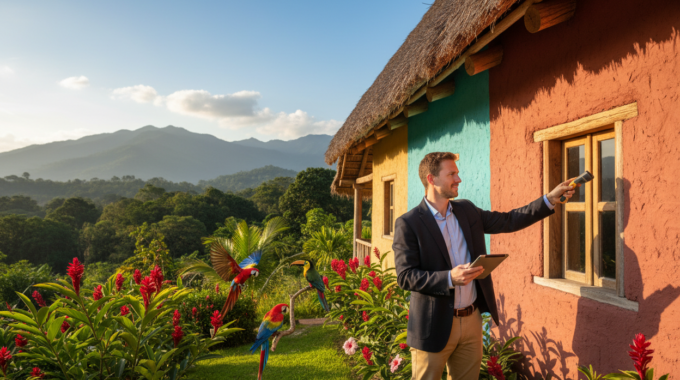
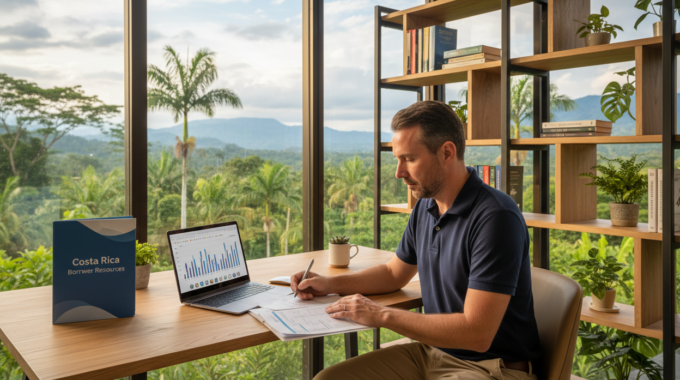
Unlocking the equity in your Costa Rica property for financing requires more than just ownership—it demands thorough preparation. At GAP Equity Loans, we provide educational guidance on this process. Our focus is on facilitating equity loans backed by Costa Rica real estate through a meticulous, documentation-driven approach.
We coordinate with private lenders to secure first-lien mortgage positions. A key part of this preparation is the professional home inspection. While not always standard historically, inspections are now crucial for assessing a property’s condition and building lender confidence in your investment.
This is especially true in Costa Rica, a seismic country where structural integrity matters. A typical inspection costs between $300 and $600. This is a modest sum compared to potential repair costs you might face later. We guide you through integrating this step with other vital documentation for a stronger loan application.
Please note: this content is for informational purposes only. It is not legal, tax, or lending advice, nor an offer to lend. Our mission is to bridge the gap between your property equity and accessible financing by managing complexity.
Understanding the Costa Rica Home Inspection Landscape
A professional property assessment in this country serves a dual purpose: protecting your investment and satisfying lender due diligence. We guide you through this unique landscape where seismic activity makes structural reviews non-negotiable.
Why Home Inspections Are Vital in Costa Rica
These inspections are a cornerstone of the documentation-driven process. Lenders require clear proof of a property’s condition before approving equity-backed financing.
In a seismically active nation, evaluating foundation stability and construction integrity is paramount. This directly affects your loan’s viability and the collateral’s value.
Unique Challenges and Regional Considerations
The concerns vary greatly by location. A beachfront home faces humidity and salt air, while a mountain property deals with different issues.
Finding truly qualified professionals in this area requires local knowledge. We often recommend experienced architects for thorough assessments when dedicated inspectors aren’t available.
Understanding these regional variations helps set realistic expectations. It strengthens your documentation for a smoother equity loan process in Costa Rica.
home-inspections-for-mortgaging-a-costa-rica-home
When using property equity for a loan, the inspection report becomes a critical piece of lender documentation. We focus on what makes an assessment “mortgage-ready”—it’s not just a buyer’s checklist. Lenders need comprehensive proof of structural integrity and system functionality to secure their first-lien position.
Identifying Qualified Local Inspectors
Finding a qualified inspector in Costa Rica can be challenging. General home inspection professionals are less common here. We often recommend experienced local architects or structural engineers.
Their deep technical knowledge of regional construction methods is invaluable. They understand seismic codes, humidity issues, and local materials. This expertise ensures the report meets lender standards for due diligence.
Key Focus Areas During the Inspection
The inspection must systematically evaluate critical areas. The roof condition is paramount—leaks or degradation can lead to costly repairs. Foundation stability is non-negotiable in this seismic country.
Plumbing and septic systems require special attention. Many properties rely on wells or alternative water sources. Proper function and legal water rights must be documented.
Electrical service evaluation confirms safety and capacity. Substandard systems are red flags for lenders. A thorough inspection covers all major systems that affect property value and loan risk.
Preparing Property Details and Essential Documentation
Your loan application’s strength depends heavily on the quality of your property documentation. This paperwork forms the backbone of lender due diligence. It transforms your equity into a secure, financeable asset.
Gathering Property and Ownership Information
Start with comprehensive property details. We need the exact location, size, construction type, and current use. Any special features or restrictions that affect value must be noted.
Ownership structure is critical. Is your property in Costa Rica held personally or through a local corporation? Each structure has different documentation needs. We also review your property’s tax standing and proof of equity.
Collecting Critical Documents and Surveys
The official survey, or plano, is a legal requirement. It must be current and reflect accurate boundaries. This document is the foundation for title review.
Legal water access proof is non-negotiable, especially for rural properties. Easements for access must also be documented. These things establish clear collateral value for lenders.
Understanding related costs helps budgeting. For example, a property purchase involves transfer tax and notary fees. Title insurance is often recommended.
Gathering documents systematically streamlines the entire process. Having your plano and water letters ready means we move faster. This preparation complements the home inspection for a complete application.
Navigating the Documentation-Driven Process with GAP Equity Loans
The journey to securing financing against your Costa Rica real estate follows a clear, documentation-focused roadmap we expertly navigate. Our role is to manage complexity and coordinate each phase.
We build trust through transparency about what we do—and don’t do. We educate and guide, never quoting rates or making lender comparisons in this content.
Step-by-Step Process: Intake to Lien Registration
It begins with an intake conversation about your property and needs. This helps us assess potential fit for our process.
You then compile the documentation package. Complete files speed up the timeline significantly.
Our due diligence phase reviews title, property condition, and equity. We structure terms based on this analysis, following our up to 50% loan-to-value guideline.
Stronger documentation and lower LTV requests generally improve fit. The closing coordinates all parties in Costa Rica’s casual business culture.
Post-closing, we ensure lien registration secures the lender’s first-position claim. This final step protects everyone involved.
Coordinating with Private Lenders for a First-Lien Position
We work with private lenders who require first-lien mortgages. We present them with vetted, complete application packages.
This coordination is key to accessing capital. We manage the paperwork so they can make confident decisions.
Understanding this way to get a loan in Costa helps you prepare. Your property’s value becomes accessible through this structured process.
Evaluating Inspection Results and the Lien Registration Process
A thorough property assessment and a clean title are not separate hurdles—they are interconnected pillars of loan security. We analyze both to present a complete risk profile to our private lenders. This dual evaluation directly influences your loan-to-value ratio and the final structure.
Assessing Structural Integrity and Key Property Systems
A professional home inspection details the condition of critical systems. Major concerns with the roof or foundation in this seismic area affect the collateral’s long-term value. Plumbing and electrical issues don’t necessarily stop a deal, but they factor into the overall risk assessment.
We evaluate these findings for their impact on property value, not just immediate repair costs. Significant problems may influence the maximum loan amount or require repairs before closing. This protects both you and the lender’s investment in Costa Rica real estate.
Understanding Title Reviews and Lien Registration Steps
Parallel to the inspection, we conduct a title review. This verifies clear ownership and identifies any existing liens on the estate. It also confirms property boundaries match the official survey, which is crucial for any future purchase or sale.
In Costa Rica, a lien must be formally registered to establish the lender’s first-position security interest. We coordinate with local attorneys to handle this legal recording. Resolving any title or inspection issues upfront ensures a clean closing and a secure loan for your property.
Practical Tips for a Smooth Home Inspection and Mortgage Experience
Your property’s journey from inspection to loan approval can be significantly smoothed with a few practical steps. We share wisdom from years of guiding clients through this process in Costa Rica.
Strategies to Enhance Loan Fit and Lower LTV Considerations
The single best way to improve your loan fit is to request a lower loan-to-value ratio. Aiming for 35-40% LTV with strong documentation positions you far better than seeking maximum leverage.
Before your inspection, fix obvious maintenance issues. Also, be realistic about your property’s value in today’s market. Inflated expectations create problems during appraisal.
Budget for all costs. The inspection fee is modest, but closing costs add 3-6% to a purchase. Factor this in, especially if exploring short-term financing strategies for your investment.
Work with local professionals who know your specific area. Their market experience is invaluable. Also, organize your documentation systematically before you contact us.
Ready to discuss your property in Costa Rica? Reach out via WhatsApp at +506 4001-6413, call 855-562-6427, or visit gapequityloans.com. We’ll help determine if our process is your best next step.
Closing Perspectives on Your Costa Rica Home Inspection Journey
Successfully leveraging your property equity in Costa Rica hinges on a realistic and well-prepared approach. A professional inspection is a key piece of this due diligence. It protects your investment and builds lender confidence in the collateral’s value.
Your journey combines this report with a complete documentation package. We guide this process with transparency, coordinating with private lenders for first-lien positions on real estate. Strong preparation paves the way for success.
This content is for your education—not legal or lending advice. Ready to discuss your property? Contact us via WhatsApp at +506 4001-6413, call 855-562-6427, or visit gapequityloans.com.
FAQ
Why is a home inspection so critical when getting a mortgage in Costa Rica?
A professional inspection is vital because it protects your investment and satisfies lender requirements. In Costa Rica, construction standards and environmental factors can vary greatly. An inspection uncovers hidden issues with the roof, plumbing, electrical systems, or structure that could affect the property’s value and safety. For a lender like us, it confirms the collateral’s worth, ensuring a secure loan for you.
How do I find a qualified home inspector in Costa Rica?
We recommend working with licensed, experienced professionals who specialize in your property’s area and type. Look for inspectors with strong references from prior clients and realtors. Many of our clients benefit from using inspectors who provide detailed, bilingual reports. We can often connect you with trusted professionals in our network who understand what lenders need to see.
What is the role of a private lender like GAP Equity Loans in this process?
We streamline the entire journey. Unlike traditional banks, we use the inspection and appraisal to quickly assess your property’s equity and loan potential. We then manage the complex documentation, from the title review to registering a first-position mortgage lien at the National Registry. This coordinated process turns your property’s equity into accessible financing efficiently.
What happens if the inspection finds major problems with the property?
The inspection report gives you power and options. You can negotiate repairs with the seller before finalizing the purchase, or you might reconsider the investment. For an equity loan on a property you already own, findings help us understand the asset. While significant structural issues can affect value, many common concerns in Costa Rica—like minor plumbing or cosmetic updates—don’t necessarily disqualify you from securing financing.
What documents do I need to provide for the inspection and loan process?
Key documents include the property’s registered survey (plano catastrado), your personal identification, and the property’s title (escritura). Having recent utility bills and any prior inspection reports is also helpful. Our team guides you through gathering everything needed. The goal is to have a clear, documented history of the asset for a smooth closing.
How long does the entire inspection and lien registration process take?
With our coordinated approach, the timeline is often much faster than traditional banking. The physical inspection itself usually takes a few hours, with the report following in days. The subsequent steps—title review, documentation preparation, and lien registration—typically conclude within several weeks. We prioritize efficient closings so you can access your funds without unnecessary delay.
Article by Glenn Tellier (Founder of CRIE and Grupo Gap)
Get expert guidance on securing-a-bridge-loan-for-property-in-costa-rica. Our documentation-driven process ensures a clean closing with a first-lien mortgage position.
"Investing-in-undeveloped-land-in-costa-rica? Unlock property value with GAP Equity Loans. Learn how our documentation-driven process secures financing for your Costa Rica land."
Discover asset-based loans with GAP Equity Loans. Our expert team guides you through a transparent, documentation-driven process for Costa Rica real estate-backed financing.