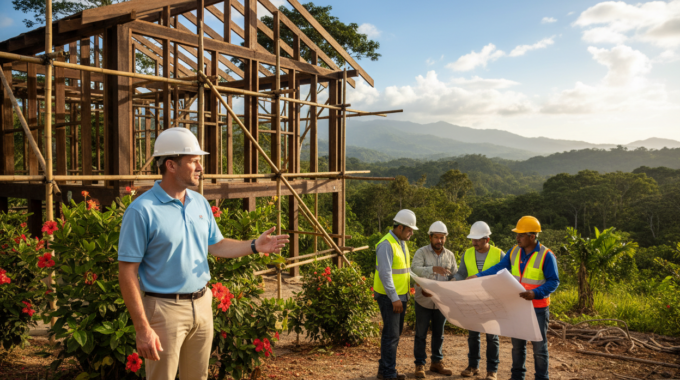
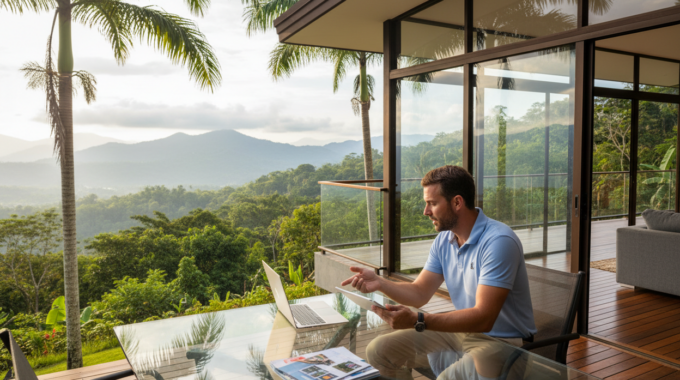
Building your dream home in Costa Rica is a powerful vision for many. This beautiful country remains a top destination for expats seeking a custom residence in 2026.
Turning that vision into reality, however, is a serious business commitment. It requires careful planning and a clear understanding of the local landscape.
Navigating the regulatory environment here involves specific legal and financial requirements. You need a solid foundation before breaking ground on any property.
We guide you through these complexities. At GAP Equity Loans, we focus on a documentation-driven process for real estate-backed financing.
Our specialty is coordinating with private lenders to secure a first-lien mortgage. We manage the paperwork so you can focus on your development goals.
Whether planning a luxury home or a sustainable retreat, we provide the educational resources you need. Our approach builds trust through transparency about the market and process.
Contact us via WhatsApp at +506 4001-6413 or visit gapequityloans.com. Let’s discuss how we can support your journey in this beautiful country.
Understanding Real Estate Equity Loans in Costa Rica
The Costa Rican real estate financing landscape differs significantly from traditional bank lending. At GAP Equity Loans, we focus exclusively on property-backed equity loans to fund your construction goals.
This specialized approach provides a direct path to capital by leveraging your existing property value.
Documentation-Driven Loan Process
Financing here is highly documentation-driven. A successful application requires clear proof of ownership and demonstrable property equity.
We manage this detailed process to ensure all legal and financial requirements are met transparently. This clarity helps you move forward with confidence.
First-Lien Mortgage Coordination
We coordinate with private lenders to secure a first-lien mortgage. This position is the standard for secure lending, providing priority and protection for both borrower and investor.
Our process avoids complex products like HELOCs, second liens, or crowdfunding. You get a straightforward, equity-based solution focused on the Costa Rica real estate sector.
Preparing Your Property and Financial Documents
Before any lender can assess your loan, you must first demonstrate clear ownership and the legal standing of your Costa Rican land. This preparation phase is the critical first step in our documentation-driven process.
We guide you through gathering every required piece. A complete file builds confidence and accelerates your financing application.
Gathering Property Details and Ownership Proof
You need to verify how you hold the asset. Is the title in your personal name or a Costa Rican corporation?
Provide a copy of your cédula (ID) or passport. We also require your property tax status and proof of equity.
This information forms the financial foundation for your project. It allows us to accurately evaluate your loan eligibility.
Required Documents: Plano, Survey, and Easements
A key document is the plano catastrado. This is a survey officially registered with the National Registry to verify your property boundaries.
You must also secure a water letter, or Carta de Disponibilidad de Agua. This proves legal water access for your future home.
Finally, document any easements or rights-of-way. Clear records prevent future disputes over access to your land.
Our team helps you organize these items. We ensure your building project meets all local standards before you apply.
Navigating the Costa Rican Lending Process
Securing financing for a construction project in Costa Rica involves a distinct lending process. It prioritizes thorough due diligence on your plans and financial standing.
This review ensures the long-term viability of your venture. We assist by streamlining the initial intake and due diligence phases.
Our coordination creates a smoother path toward closing. Navigating this process requires patience and a clear understanding of the required documentation.
We guide you through each stage, from initial application to the final lien registration. Our educational approach explains the realities of building a house here.
We focus on your entire construction project. This helps align your financial goals with local lender requirements.
You receive the information needed to move forward with confidence. We ensure your project remains on track throughout the entire lending cycle.
how-to-start-a-project-the-right-way-costa-rica: A Borrower’s Guide
Navigating the loan process for your Costa Rican property development follows a clear, step-by-step path from start to finish. We outline the essential stages to secure funding for your construction project. This guide provides the clarity you need to move forward with confidence.
Steps from Intake to Lien Registration
Our structured process begins with an initial intake conversation. We discuss your vision for the house and review your property’s financial standing. This sets a solid foundation for the entire journey.
Next, we gather all required documentation. This includes your property survey, proof of ownership, and any existing design plans. Proper preparation here accelerates the subsequent phases.
A thorough due diligence period is then conducted. This involves a comprehensive title review to ensure your land is free of legal encumbrances. It confirms the site is suitable for your building project.
We then coordinate the loan structuring and move toward closing. The final, critical step is the registration of the first-lien mortgage. This action legally protects the lender’s interest under Costa Rican law.
Following this proven process helps you avoid common delays. It ensures your project is handled with professional care from beginning to end.
Insights on Costa Rican Construction and Project Development
The design and building phase of your Costa Rican home requires a specific team of licensed professionals. We guide you through selecting the right partners to navigate local standards.
Local Building Regulations and Permits
Hiring a licensed architect is non-negotiable here. They understand the local building codes and will submit your plans to the Colegio Federado de Ingenieros y Arquitectos (CFIA) for approval.
This regulatory body also sets architectural fees, typically 9-12% of the total project value. A detailed design phase is your best defense against costly mid-construction changes.
As Carlos Morales of Five Star Construction notes, working with honest professionals to oversee your building project is fundamental. Their expertise ensures your construction meets all safety and legal requirements.
Turnkey Construction and Project Realities
For the most streamlined experience, consider a turnkey construction firm. They manage the entire process from initial design to final handover.
This integrated approach often yields more reliable results. It aligns with the local business culture, where meetings are professional but casual—think polo shirts, not suits.
Understanding these realities helps set proper expectations for your construction journey in Costa Rica.
Assessing Property Viability and Land Use Regulations
The true potential of your land for development hinges on a rigorous assessment of local regulations and site conditions. This evaluation protects your investment and prevents costly mid-project delays.
Zoning and Soil Study Considerations
First, verify local zoning rules. The 200-meter coastal setback law is a major regulation in Costa Rica. It strictly limits new construction near the high tide line to protect the maritime zone.
You must secure zoning approval for residential use before investing in detailed architectural plans. This step is mandatory for obtaining your final building permits.
Next, consider the physical land itself. A professional soil study is essential, especially in jungle areas. It determines if your site requires specialized foundations for long-term stability.
Legal Due Diligence on Clear Title
Performing thorough due diligence on the property title is equally critical. This process ensures the land is free of legal disputes, liens, or hidden ownership claims.
We advise all clients to work with a qualified local attorney. They conduct a complete title review and verify all easements or rights-of-way.
This legal groundwork forms the secure foundation for your entire project. For a detailed guide, we recommend our comprehensive due diligence checklist.
Coordinating with Lenders and Finalizing Loan Structuring
Structuring your loan effectively requires aligning your financial goals with our established lending parameters. A key guideline in Costa Rica is our maximum 50% loan-to-value (LTV) ratio.
This cap ensures your construction project remains a sound financial investment. It protects your equity and promotes long-term sustainability.
Stronger documentation and a lower LTV significantly improve your fit for financing. They make the entire structuring process much smoother for our clients.
We work closely with each client to tailor the loan. Our goal is to align the structure with your overall construction budget and project timeline.
This personalized support helps you manage the costs associated with development. We ensure your budget is realistic for the Costa Rican market.
Our team assists in coordinating with private lenders to finalize every detail. We provide complete clarity on all associated project costs.
The finalization process is designed for transparency. It gives you the confidence to move forward with your plans in Costa Rica.
Planning Your Construction Timeline and Budget
Creating a realistic timeline and budget is the cornerstone of any successful construction project in Costa Rica. This phase transforms your design into an actionable plan.
Understanding the Project Phases
A custom home here typically requires 12 to 24 months from initial design to final occupancy. This process includes architectural planning, permit approvals, and the actual building phase.
You must account for the rainy season, which can cause significant delays in many areas. Planning for these natural interruptions keeps your project on track.
Managing Costs and Anticipating Delays
High-quality construction costs between $1,200 and $1,700 per square meter. Your budget must reflect this range and your chosen design details.
Managing costs involves careful oversight of materials and labor. This is especially true in remote properties where logistics are complex.
A detailed budget anticipates these variables. It helps you avoid stress and financial overruns during the construction process.
We help you understand these realities. Our guidance ensures your project stays on the right path. For projects that are already designed, our shovel-ready construction financing can streamline the process.
Final Thoughts on Building Your Costa Rican Project
The path to a custom-built residence in this tropical nation culminates in a rewarding personal and financial achievement. Building a home here is a significant undertaking, but the result is a property perfectly tailored to your vision.
For those making a substantial investment, the Inversionista Residency Program requires a minimum of $150,000 in real estate. This can be an excellent option for your building project.
Professional guidance is the best way to ensure success. For a comprehensive look at permits and planning, review our guide on master project funding in Costa Rica.
If you are ready to build, contact us via WhatsApp at +506 4001-6413 or call 855-562-6427. Visit gapequityloans.com to discuss your financing options today.
FAQ
What makes the loan process in Costa Rica different?
Our process is entirely documentation-driven. We focus on your property’s equity and clear title, not just personal credit scores. This means we coordinate everything from verifying your plano catastrado to registering the first-lien mortgage, handling the complex paperwork for you.
What property documents do I need to get started?
You’ll need proof of ownership, a current property survey (plano catastrado), and any registered easements. These documents prove your equity and allow us to conduct proper due diligence, which is the foundation for structuring your loan.
How long does the lending process typically take?
From initial intake to final fund disbursement, the process usually takes 30 to 45 days. The timeline depends on how quickly we can gather all required documents, complete the appraisal, and coordinate the notary for the final closing.
What should I know about building regulations before starting?
A> You must understand local zoning and secure building permits (permisos de construcción) before any work begins. We always recommend a professional soil study and full architectural plans. Skipping these steps risks major fines and project stoppages.
Why is due diligence on the land so important?
A clear title and proper zoning are non-negotiable. Due diligence confirms there are no hidden liens, disputes, or land use restrictions. This protects your investment and is required by lenders before they can approve any financing for your project.
How are construction costs managed in Costa Rica?
A> Costs are typically broken into phases: foundation, structure, and finishes. We advise creating a detailed budget with a 15-20% contingency for material price shifts or delays. Working with a trusted local builder is key to managing this process effectively.
Article by Glenn Tellier (Founder of CRIE and Grupo Gap)
Understand what-loan-to-value-means-costa-rica with our guide. We help you secure first-lien equity loans through a clear, documentation-driven process.
Need real-estate-lending-opportunities-outside-traditional-markets? We provide clear guidance on Costa Rica equity loans. Contact us at gapequityloans.com.
Understand how-private-lending-works-costa-rica. We guide you through our documentation-driven process for first-lien mortgages. Contact us at 855-562-6427.