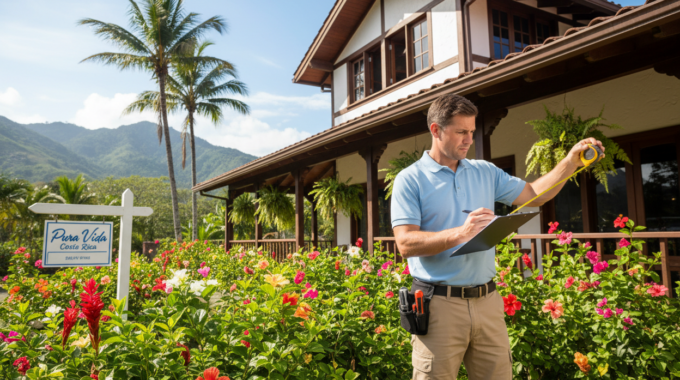
Securing financing against your property in Costa Rica involves more than submitting paperwork. It requires a physical assessment of the collateral that will secure the loan. This in-person inspection is a fundamental step for any serious equity loan process.
Why is this step so critical? Lenders need to verify that what’s documented matches reality on the ground. This is especially true in a market where property conditions and access can differ from North American norms. A thorough site visit helps prevent costly surprises for everyone involved. You can learn more about this key step in our guide on requesting a loan and the site.
At GAP Equity Loans, we coordinate a documentation-driven process. We connect borrowers with private lenders to structure clean, first-lien mortgage positions. Our goal is to bridge the gap between your property’s equity and accessible financing.
This article is an educational resource to help you understand how site visits protect both borrowers and lenders. They reduce risk and streamline the approval process. While Costa Rica’s business culture is relaxed, our due diligence is thorough—casual attire doesn’t mean casual evaluation.
Understanding Costa Rica Equity Loans and the Documentation Process
Navigating the world of real estate-backed lending in Costa Rica begins with a solid understanding of the loan structure and documentation journey.
What are Costa Rica Real Estate-Backed Equity Loans?
This financing is secured by your property’s existing equity. We coordinate with private lenders to structure first-lien mortgage positions.
It differs from traditional bank mortgages or home equity lines. Our typical guideline is up to 50% LTV.
The Documentation-Driven Process: Intake to Lien Registration
Our method follows a defined path. It starts with an intake to understand your property and request.
Next comes comprehensive document collection. You’ll need items like the plano catastrado and proof of equity.
Each piece of information verifies legal status and value. We manage due diligence, structuring, and closing.
Organized details speed up the lending procedure. Clearly stating your intended use of funds helps in risk assessment.
The Importance of a Site Visit When Requesting a Loan: A Critical Step in the Loan Process
In Costa Rica’s unique real estate landscape, what you see on a map often differs from what exists on the terrain. This is why a physical inspection is a cornerstone of our documentation-driven process. It validates the paperwork and uncovers realities that affect your property’s value.
Why Lenders Value In-Person Inspections
Lenders rely on these inspections to manage risk. They confirm that boundaries match the survey and structures are as described. An inspector verifies access routes and checks for unauthorized changes.
This firsthand information is irreplaceable. Photos and reports can’t capture everything. The condition of a dirt road in the rainy season or actual water pressure are critical details. A trained inspector notes these on-site conditions.
In Costa Rica, infrastructure can vary greatly. Easements, zoning rules, and water sources are complex. An in-person inspection assesses these local factors accurately. It’s a key tool for proactive asset management.
Early issue identification helps everyone. Lenders make informed decisions about terms. Borrowers can fix small problems before they grow. This proactive step protects the loan’s first-lien position and retains property value.
Site visits aren’t about rejection. They’re about gathering accurate data. The inspector’s report provides the clarity needed. This upfront effort prevents costly surprises and helps mitigate risk. We coordinate this step to ensure clarity for all parties.
Enhancing Borrower Preparedness and Property Inspection Insights
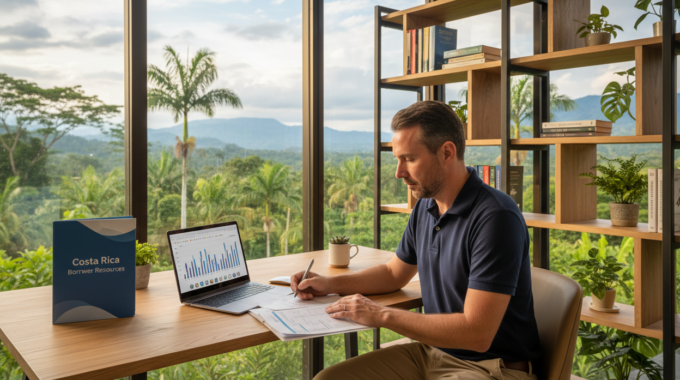
Your readiness for the site inspection can significantly influence the speed and outcome of your Costa Rica equity loan application. Being well-prepared streamlines the process for everyone involved.
Preparing Essential Property Documents and Proof of Equity
Before the inspector arrives, compile your key paperwork. This includes your folio real, the surveyed plano catastrado, and water availability letters.
You must also demonstrate proof of equity. Provide your registro público documentation and a recent municipal valuation (valor fiscal).
Clearly state your intended use of funds. For a construction project, this means having plans, cost estimates, and a contractor timeline ready.
Evaluating Site Details and On-Site Conditions
The inspector will evaluate physical access, boundary markers, and structure conditions. They also check utilities, drainage, and the property’s overall marketability.
For construction lending, funds are typically released via draw requests. Each draw is tied to a verified project milestone, like a completed foundation or roof.
This staged approach protects both parties. It ensures funds are used appropriately and the project stays on track. Understanding this inspection process is key to managing lending risk.
Closing the Loop: Final Thoughts on Your Costa Rica Equity Loan Journey
Successfully navigating a Costa Rica equity loan hinges on viewing each step—from paperwork to physical inspection—as interconnected. These inspections are a protective step, ensuring all parties have accurate data about the property securing the loan.
Our documentation-driven process works best with organized borrowers. Realistic expectations and thorough preparation are key. This is especially true in Costa Rica, where infrastructure and legal norms can differ.
We’re transparent: lower loan-to-value requests with strong documentation for well-maintained property represent the best fit. This thoroughness enables clean closings. For a deeper look, review our comprehensive due diligence checklist.
This article offers educational information only. It is not legal, tax, or lending advice, and does not guarantee approval.
Ready to explore your options? Contact us via WhatsApp at +506 4001-6413, call toll-free (USA/Canada) at 855-562-6427, or visit gapequityloans.com.
While cross-border lending has complexity, a knowledgeable coordinator makes a significant difference in achieving a smooth transaction.
FAQ
Why is a property inspection so important for getting a loan in Costa Rica?
A physical site visit is a critical step for us and our lending partners. It verifies the property’s condition, value, and exact location—key factors in assessing risk and approving your financing. This on-the-ground check protects everyone involved by ensuring the collateral is sound before funds are released.
What exactly does the inspector look for during the site visit?
Our inspector evaluates several key details. They confirm the construction matches the submitted plans and permits, assess the overall quality and stage of the project, note any potential issues, and verify the property’s boundaries and access. This real-world snapshot is essential for the final lending decision.
How should I prepare my property for this inspection?
Great preparation smooths the entire process. Please have all relevant property documents on hand, including your registered title (escritura), survey plat (plano catastrado), and any construction plans or permits. Ensuring the site is accessible and that any ongoing work is clearly visible helps the inspector complete their evaluation efficiently.
Who pays for the site inspection, and how long does it take?
The cost of the inspection is typically covered as part of the loan’s closing costs. The timing depends on the property’s location and complexity, but we coordinate the entire process. Our goal is to schedule it promptly once your initial application and documentation are in good order.
Can a site visit ever delay my loan funding or cause a denial?
While it’s a necessary step, a well-prepared property rarely faces delays. The inspection might reveal discrepancies that need clarification, but we work with you to resolve them. Transparency from the start is the best way to ensure a smooth review and move your draw request toward approval.
How does the site visit affect the disbursement of my loan funds?
The inspector’s report is a required component for the lender to approve the release of funds, especially for construction or renovation loans. It provides the verification needed to move forward with your draw request, ensuring the money is used appropriately for the intended project costs.
Article by Glenn Tellier (Founder of CRIE and Grupo Gap)
Get expert guidance on securing-a-bridge-loan-for-property-in-costa-rica. Our documentation-driven process ensures a clean closing with a first-lien mortgage position.
"Investing-in-undeveloped-land-in-costa-rica? Unlock property value with GAP Equity Loans. Learn how our documentation-driven process secures financing for your Costa Rica land."
Discover asset-based loans with GAP Equity Loans. Our expert team guides you through a transparent, documentation-driven process for Costa Rica real estate-backed financing.