Get expert guidance on securing-a-bridge-loan-for-property-in-costa-rica. Our documentation-driven process ensures a clean closing with a first-lien mortgage position.
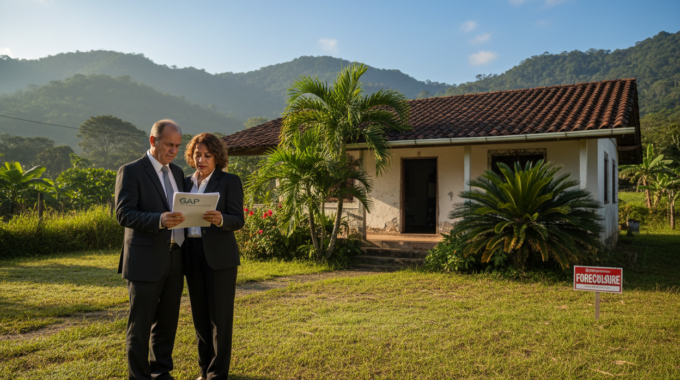
What Happens in a Foreclosure in Costa Rica: Our Insights
At GAP Equity Loans, we help borrowers secure financing using their real estate equity. Our focus is on first-lien mortgages for property located in Costa Rica.
We do not offer second liens or unrelated loan products. Our lending is based on solid equity and thorough documentation.
Understanding local foreclosure proceedings is crucial for property owners. In Costa Rica, a “hipoteca” or mortgage can enter default, leading to a complex legal process.
This article provides clear information about that process. We explain what documents you need and how our equity loans work.
Our guide covers the application steps from start to lien registration. This knowledge helps both owners facing challenges and savvy investors.
We are a professional resource for accurate estate information in this market. Our goal is to empower you with essential insights.
The Foreclosure Landscape in Costa Rica
Foreclosure proceedings in Costa Rica involve a series of court-supervised steps designed to protect creditor interests. This legal framework dictates how a bank or lender recovers capital when a mortgage obligation defaults.

Understanding Repossession and Auction Processes
The process begins when the lender files a certification with the local court. This document names all parties with claims on the real estate and establishes creditor priority for capital recovery.
The court reviews all documentation to confirm debt recovery priority. It then issues a formal resolution to initiate the public auction. This legal phase can extend for many months, especially with multiple claimants.
A minimum auction price is set, often based on the original loan amount or a new appraisal. Public notice is given through mandatory publication in La Gaceta, the official Judicial Bulletin.
Notices must appear at least twice, with eight days before the auction date. While banks may promote these properties, foreclosed homes often do not represent bargain sales. Lenders typically seek to recover full market value.
Essential Documents and Property Preparation
Successful real estate financing in Costa Rica hinges on presenting a complete and organized portfolio of property documents. Thorough preparation strengthens your application and speeds up approval.

Required Property Details and Documentation
Start by compiling all specifics about your home or land. Clarify the ownership structure, whether held by an individual, jointly, or through a corporation. Each type requires different paperwork.
Lenders must confirm you are current on all municipal taxes and assessments. A tax lien can prevent loan approval. The Public Registry here provides detailed certificates for this verification.
Ownership, Tax Status, and Survey Essentials
Official survey documents, called planos, are mandatory. They provide the legal property boundaries and measurements. You also need records for any water rights or access easements.
Proof of your equity stake is crucial for loan-to-value calculations. Be ready to explain the intended use of the funds. Finally, have identification and contact information ready for all owners.
Gathering these items beforehand shows lenders you are serious. It makes the entire process more efficient for everyone involved.
GAP Equity Loans: Real Estate-Backed Funding Explained
For property owners in Costa Rica, unlocking the value of your estate often requires a specialized financial partner. GAP Equity Loans (Grupo Gap) provides exactly that. We focus on helping you leverage your existing real estate equity for various financial needs.

Our model is built on clarity and security. We offer a straightforward path to accessing capital based on the solid value of your property.
First-Lien Mortgage Fundamentals
We provide only first-lien mortgages. This means our security interest takes priority over all other claims on your real estate. It is a fundamental part of our risk management.
We do not offer second-lien positions, home equity lines, or crowdfunding. The first-lien structure protects both lender and borrower interests. It creates a clear and secure arrangement.
In Costa Rica, a mortgage must be created by a written instrument witnessed by a Notary Public. It must be recorded in the Public Registry to be enforceable. We work with legal professionals to ensure this process is completed correctly.
Loan-to-Value Ratio and Documentation Standards
We lend up to 50% of your property’s assessed value. This loan-to-value ratio means you must have substantial equity to qualify. The loan amount is based directly on this equity.
Our lending decisions hinge on two key factors. We evaluate the amount of equity you hold and the completeness of your documentation. Strong paperwork is the foundation of responsible lending.
Accurate documents allow us to verify ownership, confirm tax status, and structure your loan properly. This careful process ensures a mutually beneficial outcome for accessing cash.
Unpacking the what-happens-in-a-foreclosure-in-costa-rica Process
When mortgage payments stop, lenders in Costa Rica embark on a formal legal path to recover their capital. This judicial procedure is detailed and follows a strict sequence of steps.
The lender starts by filing a certification with the local court. This document names all parties with claims on the real estate and establishes creditor priority for debt recovery.
Court Filings and Auction Initiation
Judges then review all documentation. They confirm which party has priority before issuing a formal resolution to begin the auction.
This resolution authorizes the lender’s attorneys to perform numerous legal procedures. These steps advance the case from a court order to an actual sale.
Legal Nuances in Foreclosure Proceedings
The entire foreclosure process can take many months or even years. Timelines extend when multiple claimants battle over asset priority.
Public notice is given through two mandatory publications in La Gaceta. Notices must appear at least eight days before the auction date.
If no bids are received within a set period, the price is reduced. Various expenses from the proceeding are typically charged to the debtor.
Understanding this foreclosure process in Costa Rica highlights the seriousness of default. It shows why maintaining payments is always the best course.
Preparing Your Loan Application for Success
Before approaching a lender, borrowers should gather proof of equity and clarify their property plans. This preparation step is crucial for a smooth application process. It significantly improves your approval prospects and accelerates funding.
Gathering Proof of Equity and Property Plans
Adequate proof of equity is foundational. Obtain a current registry report from the Public Registry in Costa Rica. This document provides vital information like title holder identity, property boundaries, and existing liens.
It shows your equity stake built over the years. Combine this with recent appraisals for a complete financial picture. Clarify your intended use for the loan amount.
Lenders need to know if funds are for business expansion or property improvements. Clear plans demonstrate responsible borrowing. Calculate the financing you need within reasonable loan-to-value parameters.
Investing time now pays dividends later. Complete documentation packages move quickly through review stages. Consult a legal professional about your ownership structure.
Properties with clear title and current taxes are strong candidates. This process helps you understand your real estate value and borrowing capacity.
Navigating the Application and Due Diligence Process
Navigating a real estate loan application involves a structured sequence of verification and approval steps. We guide borrowers through each phase, from initial inquiry to final lien registration.
Initial Intake and Document Review
The first step is your loan inquiry submission. We review basic property details, ownership documents, and your financing needs.
Our team checks all materials for completeness and accuracy. We often request additional documents to fill any gaps during this period.
Due Diligence and Loan Structuring Steps
Due diligence includes a title search at the Public Registry. We verify ownership and identify any existing liens on the estate.
Costa Rica follows the “first in time, first in right” doctrine. Proper registration gives a mortgage its legal priority.
We then structure the loan based on verified equity. All legal instruments are prepared for closing, which involves a Notary Public.
The final registration step secures our first-lien position. Each stage typically requires several days to complete.
We coordinate all activities to make the process smooth and efficient for you.
Legal Considerations and Lien Prioritization
In Costa Rica, the enforceability of a mortgage is not automatic but depends on strict adherence to formal notarial and registration procedures. This legal framework protects all parties involved in a real estate transaction.
A mortgage here is a security interest in land created to guarantee repayment of a debt. It must be executed before a Notary Public and recorded in the Public Registry.
Understanding First-Lien Requirements
Costa Rica follows the “first in time, first in right” doctrine. The date and time of registration determine which creditor has priority over others.
We require a first-lien position for our loans. This priority status means our mortgage takes precedence over all other claims on the property.
It provides the security necessary to extend substantial financing based on your equity. Properties with existing liens cannot support new first-lien funding until prior obligations are resolved.
Ensuring Effective Lien Registration
Proper registration involves specific fees and documentation. Public Registry fees range from 0.25% to 0.50% of the mortgage amount.
Documentary stamps add approximately 0.53%. Notary fees for drafting the instrument typically range from 0.625% to 1.25%.
The Registry will not process the filing unless all property and municipal taxes are current. Certified proof of payment is mandatory.
Any prior instruments encumbering the title must also be lifted. This process, while detailed, creates clarity and legal certainty for everyone.
It protects the lender’s security interest and the borrower’s clear access to funds. Working with professionals who understand these terms ensures a smooth transaction.
Safeguarding Your Investment During Foreclosure Challenges
Protecting your real estate investment in Costa Rica requires proactive financial strategies and a clear understanding of market risks. We advise owners to focus on sound planning to avoid the severe consequences of default.
Risk Management and Financial Planning
The financial toll of a foreclosure here is substantial. The process can drag on for many years, accruing significant legal fees and court expenses.
These costs are typically charged to the borrower, adding to the financial burden. Losing a home also damages credit and erases years of built-up equity.
Not all foreclosed properties sell below market value. Banks often seek a higher sale price based on a current appraisal.
True bargains frequently go to insiders, not the public. Remote properties are especially hard to sell, potentially leading to a fire sale price after a long wait.
Maintain adequate cash reserves and diversify income sources. This protects you from temporary setbacks that threaten mortgage payments.
Communicate early with your lender if challenges arise. Explore restructuring options before missing a payment.
Understand local market conditions and avoid over-leveraging your estate. Regularly monitor your property’s equity and value.
Responsible borrowing and careful budgeting are your best defenses. They help ensure your real estate remains a secure asset for years to come.
Wrapping Up and Next Steps
Navigating property ownership and financing in Costa Rica demands a clear grasp of local laws and procedures. This guide has provided essential insights into the foreclosure process, documentation needs, and legal frameworks for mortgage obligations.
We specialize in first-lien mortgages secured by Costa Rican real estate. Our mortgage products offer up to 50% of your property’s equity, based on thorough documentation.
Property ownership here involves various costs like transfer taxes and notary fees. Buyers should budget for these expenses to manage cash flow effectively. The Public Registry system ensures transparency for all estate transactions.
Successful loan applications require comprehensive preparation. Gather your property details, ownership documents, and tax certifications.
Contact our team to discuss your financing needs for your home or investment. Prospective buyers can reach us via WhatsApp at +506 4001-6413 or call 855-562-6427. Visit gapequityloans.com for more information.
Take the next step today. Leverage your Costa Rican real estate equity with a trusted financial partner.
FAQ
What is the typical timeline for a foreclosure process in Costa Rica?
The timeline can vary significantly, often taking several months to over a year. The process begins with a court filing after a default period. Following legal notifications, a public auction is scheduled. The entire resolution depends on court caseloads, the complexity of the case, and if other parties contest the proceedings.
What essential documents should I have ready when considering a foreclosure property?
You must gather key property details and paperwork. This includes the registered title (folio real), current property tax receipts (patente), and an official survey map (plano catastrado). We also recommend a recent appraisal and a thorough review of any existing encumbrances or liens registered against the asset.
How does a GAP Equity Loan differ from a traditional bank mortgage in this context?
Our loans are based primarily on the equity in your real estate, not just personal income. We act as a private lender, providing first-lien mortgage loans secured by your property’s value. This allows for faster funding decisions based on the collateral’s strength and clear title, which is crucial during financial transitions.
What happens at the public auction during a foreclosure?
The court oversees a public sale where the property is sold to the highest bidder. The opening price is usually set to cover the outstanding debt, legal expenses, and associated fees. Successful buyers receive a court-issued adjudication, which is then used to register a new title in their name.
Why is having a first-lien mortgage position so important for a lender?
A first-lien position provides the highest priority for repayment if a default occurs. It ensures that our loan is settled from the sale proceeds before any junior lienholders. We require this secured position and confirm it through official registration at the National Registry to protect our investment.
What are the main financial risks for buyers in a foreclosure auction?
Buyers assume the property “as-is,” potentially with hidden liens or structural issues. You must pay in cash or certified funds quickly, often within days. There’s also risk from other creditors who may have claims, making exhaustive due diligence on the title and physical estate absolutely vital before bidding.
Article by Glenn Tellier (Founder of CRIE and Grupo Gap)
Sign up to start your loan today!
Related Posts:
Related Posts