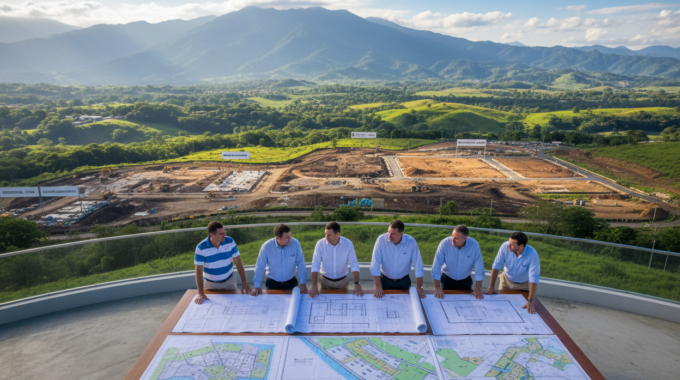
Costa Rica presents unique and compelling opportunities for foreign investors in its real estate market. The country grants foreigners the same rights as citizens to own titled property, opening doors to a world of potential.
Yet, unlocking this potential requires navigating a specific set of rules. The local zoning landscape directly influences your ability to secure funding for any development.
Successful ventures here are built on meticulous preparation. This often means 12 to 24 months of groundwork before construction even begins. A clear plan that accounts for legal and environmental constraints is non-negotiable.
We provide this guide to cut through the complexity. Our goal is to empower you with the knowledge to manage your assets effectively and avoid the common pitfalls that derail international projects.
Understanding Zoning Regulations in Costa Rica
The foundation of any successful development project in Costa Rica lies in understanding municipal land-use designations. These rules form the legal framework for what you can build.
We guide you through this critical first step. Getting it right protects your investment from the start.
Overview of Zoning Categories
Every local government issues a zoning certificate, or uso de suelo. This document specifies if your land is for residential, commercial, or agricultural use.
These categories are not uniform nationwide. Rules in a coastal town like Manuel Antonio differ greatly from those in San José.
Impact on Land Use and Value
Your property’s permitted use directly influences its market value and development potential. A commercial designation often carries a higher price tag than a residential one.
Special laws, like the Maritime Zone Law, add another layer. It establishes a 200-meter zone from the high tide line where the first 50 meters are entirely public.
We emphasize that your plans must align perfectly with the municipal designation. This compliance is non-negotiable for securing future financing.
The Role of Zoning in Project Financing
The true viability of a development project is often decided long before any loan application is submitted. Zoning regulations form the legal bedrock that either supports or undermines your entire financial plan.
Influence on Investment Decisions
For lenders, a zoning certificate is not a mere formality. It is a primary document in their feasibility study. They analyze if your intended project aligns with the local municipality’s rules.
This technical and market analysis determines risk. If your zoning does not support your vision, securing funding from reputable sources becomes nearly impossible.
We help you understand this critical influence. Our goal is to ensure your plans are perfectly aligned with specific municipal requirements from the start.
A project that fails zoning standards carries high risk. We prioritize transparent assessment to protect your investment.
By aligning your development goals with local market realities, you create a stronger, more attractive profile for potential financing partners.
how-zoning-affects-project-financing-costa-rica
Your ability to secure a loan hinges directly on how well your property aligns with local zoning laws. From a lender’s perspective, this compliance is the primary indicator of a low-risk, viable project.
Direct Implications for Borrowers
When you seek financing, you must demonstrate full compliance with all local construction and environmental regulations. This process in Costa Rica often involves multiple government agencies.
Each permit and approval requires detailed documentation. Lenders will scrutinize every document—from surveys to environmental studies—for absolute accuracy.
A clear property title and proper zoning certificate are the most critical requirements. Organized records show the lender your asset is secure, which is essential for a successful loan application.
We guide you through this rigorous review. Our goal is to ensure you understand why certain properties are more favorable for equity loans based on their zoning status.
Navigating Due Diligence for Equity Loans
The due diligence phase is a critical checkpoint for any equity loan application in Costa Rica’s real estate market. This deep investigation starts once you sign a Letter of Intent and place funds in escrow.
We manage this protective step to verify your asset’s legal standing. It’s designed to uncover issues before they block your financing.
Essential Documentation and Requirements
Our due diligence process is thorough, typically spanning 30 to 45 days. A complete title search at the National Registry is mandatory.
This search confirms no hidden liens exist on your property. We also verify boundaries with recent surveys and check for environmental restrictions.
Step-by-Step Process Overview
We provide a clear overview of the requirements from day one. The diligence involves coordinating with local experts to gather all necessary documents.
By conducting this review early, we help identify potential obstacles. This clarity ensures you know exactly what’s needed to move your loan forward.
Our goal is to turn a complex verification process into a straightforward path. This builds a solid foundation for your project’s next steps.
Preparing Your Property Documentation
We begin the preparation phase by focusing on the three core documents that define your property’s buildable value. These papers prove your asset is legally sound and physically ready for development.
Organizing them early creates a strong foundation for your loan application.
Gathering Property Details and Surveys
Your official plano catastrado, or cadastral survey map, is the first document we need. This detailed plan shows your land’s legal boundaries as recorded by the National Registry.
We check this map against recent physical surveys. This step confirms the property you own matches the property on paper. Lenders require this alignment before considering any financing.
Acquiring Water Letters and Easements
You must secure a water availability letter from the local ASADA or national AYA authority. This letter proves your land has access to a viable water source for construction and use.
Without it, your project cannot proceed. We also verify all necessary easements, or servidumbres, are properly recorded. These legal rights grant your property access to public roads and essential utility lines.
Our team helps you organize these essential plans and surveys. A systematic approach, like the one outlined in our comprehensive due diligence checklist, ensures your application is complete and ready for review.
Understanding Costa Rican Real Estate Regulations
Navigating Costa Rican real estate regulations requires a clear grasp of two distinct property ownership systems. The most common is fee simple, which grants you full titled ownership. The other is a concession, which is a long-term lease from the government.
These rules are complex, especially near the coast. The Maritime Zone Law establishes a 200-meter zone from the high tide line. The first 50 meters are public property, and development within the remaining area is strictly controlled.
Understanding concession properties is vital for any investor. They are typically leased for 20-year periods and come with a critical rule. Foreign ownership in a concession is limited to just 49%, with the majority 51% held by Costa Rican citizens.
We help you ensure your property complies with all local environmental and zoning regulations. This protects your investment from future legal challenges. Staying informed lets you make smarter decisions about your real estate assets and avoid costly mistakes. For expert guidance on how to navigate these rules and secure project financing in Hermosa Beach, explore our dedicated resources here.
The GAP Equity Loans Process Explained
At GAP Equity Loans, we bridge the gap between your property’s equity and accessible funding options. Our structured process is designed for clarity and efficiency, guiding you toward your real estate goals.
We focus on turning your asset into a viable financing solution for your Costa Rican project. This journey is built on transparency and careful coordination from the first conversation to the final closing.
Documentation-Driven Approach
Our method is fundamentally documentation-driven. We start by helping you gather the essential details a private lender needs to assess your project.
This includes your property specifics, ownership structure, and proof of equity. Key documents are the cadastral survey, water availability letters, and any recorded easements.
Organizing these materials early is crucial. It allows our team to conduct a thorough review and title search during the due diligence phase.
Coordination with a Private Lender
We coordinate directly with our network of private lenders. Our primary goal is to structure the loan so the lender secures a first-lien mortgage position upon approval.
We do not facilitate second liens, HELOCs, or crowdfunding. Our expertise is in real estate-backed equity loans, providing stable and straightforward financing options.
The process stages include initial intake, document verification, structuring, closing, and final lien registration at the National Registry. We manage this progression to keep your project moving forward.
For more information on how we can assist with your Costa Rican real estate plans, contact us via WhatsApp at +506 4001-6413, call 855-562-6427, or visit gapequityloans.com.
Balancing Loan-to-Value Requirements
In Costa Rica’s real estate market, maintaining a conservative loan-to-value ratio is a cornerstone of successful project financing. This balance directly influences a lender’s confidence in your venture.
We focus on this key metric to structure secure funding. It measures the loan amount against your property’s appraised worth.
Guideline of 50% LTV and Beyond
Our standard guideline is a maximum 50% LTV for most projects. This conservative approach provides a safety buffer for the lender.
Typical ratios in the local market range from 50% to 70% of a property’s value. We prioritize the lower end to ensure strong collateral coverage.
A lower LTV, combined with your complete documentation, significantly improves your financing fit. It demonstrates responsible planning and reduces risk.
Our team coordinates professional appraisals to determine the true market value of your land. This ensures the loan amount stays within safe, realistic limits.
By keeping your leverage conservative, you protect your real estate assets from the risks of over-borrowing. We work with you to align your financial plan with these requirements, making your project more attractive to our network.
Best Practices for Borrower Preparation
Your readiness as a borrower significantly influences the speed and success of your loan application. We guide you through organizing essential documents to build lender confidence.
Organizing Ownership and Tax Information
Start by clarifying your ownership structure. Many foreigners hold real estate through a Costa Rican corporation like an S.R.L. for privacy. Whether you own property personally or via a company, clear records are vital.
Your tax status is equally critical. You must provide proof that your annual property tax is fully paid. This levy is 0.25% of the registered value.
Luxury homes valued above $214,000 face an additional solidarity tax. Proper compliance here demonstrates your commitment to legal upkeep.
We help compile your property details, surveys, water letters, and easements. Having your ID, contact info, and proof of equity ready streamlines the entire financing process.
Key Permitting and Environmental Considerations
Before breaking ground on any development, you must navigate a complex web of permits and environmental reviews. These approvals are the legal gateway to your project and are critical for securing any financing.
Municipal and Environmental Permits
Securing municipal construction permits is a mandatory step for any major build. You also need environmental viability from SETENA, the National Environmental Technical Secretariat.
The Environmental Law (No. 7554) requires an impact assessment for all development projects. Properties near rivers face additional restrictions and special permits.
Our team helps you navigate this complex permitting process. We ensure your construction plans meet all local and national standards to avoid fines.
Infrastructure and Service Compliance
Your project must comply with all infrastructure requirements. This includes reliable access to water services and electricity provided by ICE or local cooperatives.
Verifying this compliance early is key. It prevents delays and extra costs that can derail your construction timeline.
We focus on these essential services to keep your project moving forward smoothly.
Exploring Financing Options for Development Projects
The choice between local and international funding sources can define the trajectory of your real estate investment. Exploring your financing options is a vital part of any strategy for new developments.
Successful projects here often require 6 to 12 months just for permit acquisition. Funding approval can add another 3 to 6 months to your timeline.
Local versus International Funding
Local banks may offer loans to non-residents. However, they come with strict documentation requirements and often demand higher down payments.
International funding sources have different criteria. Many successful developments rely on a mix of both local and foreign capital.
We help you understand this market landscape. Our guidance helps you approach these opportunities with clear expectations.
By working with us, you gain access to a network of partners. They understand the unique challenges of the investment market here.
We provide the expertise to evaluate all your funding options. This ensures you choose the path that best supports your long-term development goals.
Streamlining the Application and Closing Process
We manage the entire loan lifecycle, transforming complex paperwork into a clear, step-by-step progression. Our documentation-driven method ensures your application moves forward without unnecessary delays.
From Intake to Lien Registration
Our process follows a defined path. It begins with your initial intake and moves through documentation collection, due diligence, and title review.
We then handle loan structuring and coordinate the final closing. The last step is registering the lender’s first-lien mortgage at the National Registry.
This clean closing provides security for everyone involved in your real estate transaction.
Ensuring Transparent Communication
We keep you informed at every stage of your project. Our team maintains open lines as we coordinate with the private lender.
This transparency minimizes the time from your initial inquiry to closing. You gain a professional and efficient financing experience in Costa Rica.
Contact us via WhatsApp at +506 4001-6413, call 855-562-6427, or visit gapequityloans.com to begin.
Wrapping Up Your Financing Journey in Costa Rica
Your journey to secure project financing in Costa Rica culminates with a clear view of your ongoing financial responsibilities. Understanding your tax obligations is a key part of protecting your investment long-term.
The annual property tax here is 0.25% of the registered value. If you generate rental income, it is subject to income tax ranging from 10% to 25%.
Navigating this regulatory landscape—from the maritime zone line to local government rules—requires expert guidance. We ensure your real estate assets remain fully compliant.
This guide aimed to provide the clarity you need to manage your home and investments confidently. Remember, professional support is always available. For those exploring alternative strategies, you can also explore crypto-based private mortgage options.
FAQ
How does zoning in Costa Rica directly impact my ability to get a loan on my property?
Zoning dictates your land’s legal use—whether for residential, commercial, agricultural, or mixed-use projects. Lenders assess this because it determines the property’s collateral value and development potential. A parcel zoned for a high-density condo project typically holds more value and financing appeal than one restricted to low-density residential use, directly influencing your loan terms and approved amount.
What specific due diligence should I complete before applying for project financing?
Essential due diligence includes verifying your property’s registered zoning at the local municipality, confirming all property taxes are current, and ensuring your survey (plano) is registered and matches the physical reality. You must also secure a potable water availability letter and document any easements or right-of-ways. This groundwork proves your asset is in good legal standing, which is foundational for loan approval.
Why is the Loan-to-Value (LTV) ratio often around 50% for equity loans in Costa Rica?
A conservative LTV guideline, like 50%, protects both the borrower and the private lender. It accounts for market fluctuations and the unique complexities of Costa Rican real estate, such as potential title issues or zoning restrictions. This equity cushion provides security, often allowing for more flexible terms and faster approval compared to traditional banks that might not lend against certain property types at all.
What is the most common permitting hurdle for development projects that affects financing?
Securing the final building permit (permiso de construcción) from the municipality is a major step. This process requires approved architectural plans, soil studies, and environmental approvals. Delays or issues here can stall a project and its funding. Lenders need to see that these key permits are either in hand or that there’s a clear, viable path to obtaining them before releasing construction funds.
How does GAP Equity Loans’ process differ from going to a traditional bank?
We focus on your property’s equity and documentation, not just personal income history. While banks often have rigid checklists and may decline loans on rural or non-standard properties, we coordinate directly with private lenders who evaluate the asset’s inherent value. We manage the complex documentation process—from title review to lien registration—creating a streamlined, transparent path to closing that bypasses traditional banking obstacles.
Can I use an equity loan to finance construction on raw land?
Yes, this is a common use of equity financing. The key is demonstrating the project’s feasibility. You’ll need a clear development plan, preliminary architectural designs, and a realistic budget. The loan amount will be based on the current value of the land plus the projected value after construction, with funds often disbursed in stages as you hit specific construction milestones and obtain permits.
Article by Glenn Tellier (Founder of CRIE and Grupo Gap)
Understand what-loan-to-value-means-costa-rica with our guide. We help you secure first-lien equity loans through a clear, documentation-driven process.
Need real-estate-lending-opportunities-outside-traditional-markets? We provide clear guidance on Costa Rica equity loans. Contact us at gapequityloans.com.
Understand how-private-lending-works-costa-rica. We guide you through our documentation-driven process for first-lien mortgages. Contact us at 855-562-6427.