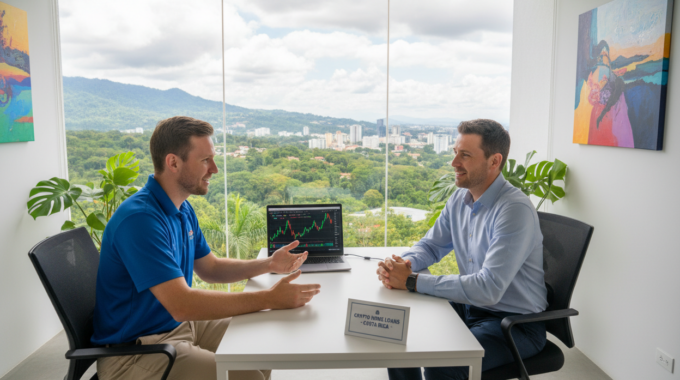
Foreign investment in Costa Rican real estate surged by over 20% last year. This beautiful country continues to attract international buyers seeking a tropical home or a smart investment.
Navigating the property market here can be exciting, but securing financing often presents a unique challenge. Traditional banks can have lengthy processes and strict requirements for non-residents.
This guide is designed to clarify your options. We explore how private, documentation-driven financing can unlock the equity in your property. It’s a realistic alternative for those who need flexibility.
Our goal is to simplify the borrowing process for you. We focus on transparent strategies that align with your long-term goals in Costa Rica. Let’s build a clear path to securing your dream.
Understanding Real Estate-Backed Equity Loans in Costa Rica
Accessing the value locked in your Costa Rican property requires a clear understanding of your financing options. Real estate-backed equity loans offer a practical path forward.
What Are GAP Equity Loans?
We provide essential borrower education on equity loans here. Our focus is a documentation-driven process that helps you leverage property equity. This approach avoids the rigid constraints of traditional banking institutions.
Key Features of the Documentation-Driven Process
Properties in regions like Guanacaste and San José have appreciated significantly. This market growth makes accessing your equity a strategic investment move.
It’s crucial to understand these are not HELOCs or crowdfunding. We prioritize transparency, ensuring you have the information needed for informed decisions about your assets.
Documenting Your Property for a Smooth Equity Loan Process
Properly documenting your property is the first active step toward unlocking its equity for financing. A complete and organized file builds confidence and accelerates everything that follows.
We guide you through each requirement. This ensures your application reflects the true value and legal standing of your assets.
Essential Property Details and Ownership Information
Start with the basics. You’ll need to detail the property’s current use—whether it’s a primary home, rental, or vacant land.
Clarify the ownership structure. Is the title held in your personal name or through a corporation? You should also note its current tax status.
Costa Rican law permits full foreign ownership of titled property. This right simplifies the legal foundation for your loan application from the start.
Preparing Plano/Survey and Additional Documentation
A valid property survey, or “plano,” is non-negotiable. This official map confirms your boundaries and plot size.
Gather supplemental records like water letters and any documents for easements. These items clarify usage rights and potential limitations.
Providing clear proof of equity is a cornerstone of our approach. It helps us coordinate effectively with our private lender network.
Finally, have your ID and contact information ready. Organizing this upfront prevents unnecessary delays in the financing process.
How Crypto-Based-Private-Mortgage-Borrowing-in-Costa-Rica Works
The process of securing financing against your Costa Rican property is built on two core principles: conservative loan-to-value ratios and a clear, first-lien position for the lender. We manage these elements to create a structured and secure path for your loan.
Loan-to-Value Guidelines and the Importance of Strong Documentation
Our guidelines maintain a maximum 50% loan-to-value (LTV). This means you can access financing for up to half of your property’s appraised value.
A lower LTV, combined with thorough documentation, significantly improves your fit for these loans. It demonstrates substantial equity, which aligns with the typical 30-50% down payments made by foreign buyers here.
The Role of a First-Lien Mortgage in the Process
We coordinate with private lenders to ensure they hold a first-lien mortgage upon approval. This structure strictly avoids any second liens on your assets.
This first-lien position provides a secure framework for both you and the lender. It clarifies the legal priority, protecting your investment and simplifying the lending arrangement.
Preparing and Organizing Your Borrower Documentation
A well-organized borrower file is your strongest asset when applying for financing in Costa Rica. We help you compile everything our private lending partners need to review.
Required Documents and Proof of Equity
Start with the core details of your property. Document its current use and how you hold title—personally or through a corporation.
You must provide the official property survey, known as a plano. Supplemental records like water letters are also essential.
Clear proof of equity is fundamental for loan approval. This demonstrates the value you hold in your assets.
A licensed notary public oversees the final closing and title registration. We coordinate this step to ensure a clean mortgage process.
Organizing these items upfront is the most effective path to securing your financing. It shows you are a serious and prepared borrower.
Navigating the Due Diligence and Title Review Process
Before any funds are disbursed, a meticulous title review protects your investment in the local market. This stage verifies the legal status of your asset, ensuring a secure foundation for your financing.
We guide you through a clear, multi-step sequence. It flows from initial intake and document collection directly into the due diligence and title review phase.
Key Steps in Due Diligence
Our due diligence includes a thorough examination of the property title. We check for any existing liens or legal encumbrances before moving forward with the loan.
This rigorous process protects your real estate investment. It confirms you have a clean and marketable title, which is essential for securing financing.
You should budget for standard closing costs in Costa Rica. These typically range from 1.25 to 2 percent of the property’s value, plus official registration fees.
After title review, we proceed to loan structuring, closing, and the final lien registration. Managing each step carefully minimizes risk for everyone involved.
Structuring Your Loan and Coordinating with Private Lenders
Effective loan structuring hinges on coordination with a specialized private lending network. We manage this relationship to align your needs with their security requirements.
This creates a transparent framework for your real estate financing.
How Lenders Achieve First-Lien Status
We coordinate closely with lenders to ensure they secure a first-lien mortgage upon approval. This process strictly avoids any second liens on your property.
A first-lien position is the cornerstone of a secure lending arrangement. It provides clear legal priority, protecting your investment assets.
Benefits of a Lower LTV with Strong Documentation
A lower loan-to-value ratio, backed by strong documentation, significantly boosts your approval chances. It demonstrates substantial equity, which lenders view favorably.
Private lenders in Costa Rica often provide bridge loans or capital for quick property purchases. Terms typically range from one to three years.
We structure your financing to protect your assets while meeting lender criteria. This focus on first-lien security creates a stable environment for your crypto-based private mortgage borrowing in Costa.
Borrower Education: Tips and Best Practices
We believe that educated borrowers are better equipped to navigate the complexities of real estate loans. Knowledge transforms uncertainty into a clear path forward. This section provides essential tips to strengthen your position.
Understanding the No-Guarantee Nature of the Process
It is crucial to understand that there are no guarantees in the lending process. Each loan application receives an individual review based on its unique merits. This means outcomes depend on careful assessment of your specific assets and documentation.
The Costa Rican legal system supports foreign buyers. It ensures you have the same ownership rights as citizens regarding titled property. This legal clarity aids your education and provides a solid foundation for your financing journey.
We encourage you to maintain realistic expectations about timelines and requirements. Securing a mortgage against your real estate assets involves thorough due diligence. Best practices include keeping all property documents updated and organized.
Our role is to guide you through these complexities. We provide the education necessary to navigate the market with confidence. This partnership helps you make informed decisions about your financing options.
A Step-by-Step Guide to the Equity Loan Journey
Your journey to unlock property equity follows a clear, six-stage path designed for security and transparency. We manage this process from initial intake through final lien registration. This structured approach protects your assets and provides the financing you seek.
From Intake to Closing
It all starts with a simple intake conversation. We then collect all necessary documents related to your property.
The next phases are due diligence and title review. This is followed by structuring the loan terms with our lending partners.
Closing is where we ensure all parties are perfectly aligned. We verify every legal requirement for your property-backed loan is satisfied before proceeding.
What to Expect at Lien Registration
The final, critical step is registering the mortgage, or “hipoteca.” Costa Rican law requires a licensed notary public to perform this official registration.
This legal act formally secures the loan against your real estate. It completes the process, giving you access to capital while protecting your investment in Costa Rica.
Financing Real Estate in Costa Rica for International Buyers
International buyers looking to finance property in Costa Rica must navigate a distinct set of credit requirements. Local banks often present hurdles for non-residents, with interest rates in 2025 typically ranging from 7 to 9.5 percent for qualified borrowers.
These institutions usually demand extensive documentation. This includes proof of income, international credit history, and sometimes a local co-signer. The process can be lengthy and restrictive for property financing.
Credit Requirements and Documentation Tips for Non-Residents
We help you navigate this by focusing on the equity in your property rather than traditional bank income metrics. This shift in perspective can be crucial for loan approval in the Costa Rican market.
Understanding the local real estate market is key. Your application should highlight the value of your assets to potential lenders. Strong documentation that clearly shows your property’s equity strengthens your position for a mortgage or other lending product.
Our tips prepare a comprehensive case. We guide you to present your real estate as a secure investment, which aligns with private lending alternatives. This provides a more accessible path for international clients who may not meet traditional bank criteria.
Exploring Options Beyond Traditional Bank Loans
The search for flexible real estate financing often leads savvy investors to consider private mortgage and offshore lending solutions. These alternatives provide a practical response to the rigid requirements of local banking institutions.
Benefits of Private and Offshore Financing Alternatives
Private financing offers greater flexibility than traditional bank loans. This is ideal for international clients who need adaptable terms. You can often access funds more quickly with less bureaucratic friction.
Established real estate firms in regions like Guanacaste and San José provide crucial support. They help international buyers navigate the local property market. This network assists with everything from selection to understanding financing options.
By choosing private lending, you gain a partner who understands foreign property owners in Costa Rica. We coordinate closely with our network to structure each loan to protect your assets. This approach focuses on your property’s equity rather than rigid income metrics.
We invite you to explore our private lending solutions to support your investment goals. Our process is designed for clarity and efficiency in the Costa Rican market.
Wrapping Up Your Path to Financing in Costa Rica
We’ve walked through the landscape of alternative financing—now it’s time to put that understanding into practice. Securing a loan for your dream home or investment property is a manageable process with the right guide and strong documentation.
You now understand the benefits of private lending, the security of a first-lien position, and how to leverage your property’s equity. This knowledge empowers you to make confident decisions about your assets.
Whether you’re an investor or looking for a primary residence, our team is ready to help you navigate the local market. Contact us today via WhatsApp at +506 4001-6413 or call 855-562-6427 to discuss your specific goals and loan terms.
Visit gapequityloans.com to begin your journey toward a secure and successful real estate investment in this beautiful country.
FAQ
What exactly is a GAP Equity Loan?
A GAP Equity Loan is a private financing solution where you use your Costa Rica property as collateral. We connect you with lenders and manage the entire documentation process—from verifying your ownership to registering the lien—to secure you the funds you need.
What kind of property documentation do I need to start?
You’ll need proof of clear ownership, a current property survey (plano catastrado), and your cédula jurídica or personal ID. Strong, organized paperwork is the key to a smooth process and favorable loan terms.
How is the loan amount determined?
The loan amount is based on a percentage of your property’s current appraised value, known as Loan-to-Value (LTV). We focus on presenting a complete documentation package to help lenders approve the maximum possible amount within their risk criteria.
What does "first-lien status" mean for a lender?
It means the private lender’s mortgage is legally recorded as the primary debt against your property title. This secured position is what makes this form of lending possible and is a standard step we handle during closing.
What documents do I, as the borrower, need to provide?
You’ll need a copy of your passport, proof of your equity in the property, and a completed application. For non-residents, we guide you on satisfying lender requirements without needing local credit history.
How long does the entire equity loan process take?
From initial intake to funding, the journey typically takes several weeks. The timeline depends heavily on how quickly we can gather all required documents and complete the title review and lien registration.
Can I get financing if I’m not a Costa Rica resident?
Yes. This is a primary advantage. Private and offshore lending alternatives focus on your property’s value and your equity, not your residency status or local credit score, opening doors for international investors.
Is funding guaranteed once I apply?
No, funding is not guaranteed. We provide a specialized service to prepare your case and connect you with our network, but final approval rests with the individual lender’s assessment.
What are the main benefits over a traditional bank loan?
The benefits include accessibility for non-residents, a focus on property equity over personal credit, and potentially faster timelines. We navigate the complexities so you can access your property’s value.
Article by Glenn Tellier (Founder of CRIE and Grupo Gap)
Understand what-loan-to-value-means-costa-rica with our guide. We help you secure first-lien equity loans through a clear, documentation-driven process.
Need real-estate-lending-opportunities-outside-traditional-markets? We provide clear guidance on Costa Rica equity loans. Contact us at gapequityloans.com.
Understand how-private-lending-works-costa-rica. We guide you through our documentation-driven process for first-lien mortgages. Contact us at 855-562-6427.