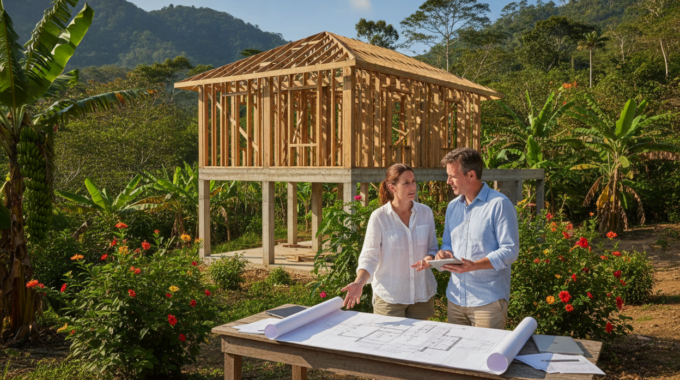
When it comes to financing a new home, understanding the differences between construction loans and traditional mortgages is crucial. Construction loans are designed specifically for funding the building of a home. They are typically short-term, lasting anywhere from 12 to 24 months. In contrast, traditional mortgages are long-term, often spanning 15 to 30 years.
One key distinction is that mortgage loans are only available for homes that are already built and livable. This means that while a construction loan is utilized during the building phase, a mortgage loan is secured by a completed house. This fundamental difference highlights the unique financing needs of construction projects.
Furthermore, entities like Fannie Mae and Freddie Mac set the standards for the traditional mortgage market. However, these guidelines do not apply to the specialized nature of a home construction loan. Understanding these differences helps us navigate the complexities of financing our dream home.
What Sets Construction Loans Apart from Traditional Home Loans?
For those looking to build, knowing how construction loans differ from traditional mortgages is vital. These loans are specifically designed for financing the construction phase of a home, typically lasting between 6 to 12 months. This short-term funding contrasts sharply with the long-term nature of traditional mortgages, which can extend up to 30 years.
One of the most significant differences lies in how funds are disbursed. Unlike a traditional mortgage that provides a lump-sum payment, a construction loan releases funds in stages. These “draws” occur based on construction milestones, such as completing the foundation or framing. This method helps ensure that funds are available when needed without overspending.
During the construction phase, homeowners usually make interest-only payments. This structure allows for better cash flow management while the house is being built. Furthermore, construction loans often have variable rates that can fluctuate with the prime rate, which is another factor to consider when choosing financing options.
Understanding the unique aspects of construction financing is essential for anyone looking to build. The primary reason these loans stand apart is that they serve as short-term funding for projects in progress, while traditional mortgages apply to completed properties.
Without a finished home as collateral, construction loans represent a distinct financial product. This lack of completed property requires a specialized approach to risk management that differs from standard mortgage underwriting.
Additionally, the disbursement schedule for a construction loan is directly tied to the physical progress of the project. This feature is not found in traditional mortgage lending, which typically provides a lump-sum payment at closing.
By recognizing these differences, we can better prepare our financial documentation to meet the specific requirements of a construction-based loan.
Key Elements in the Construction Loan Approval Process
Navigating the construction loan approval process requires an understanding of key elements that lenders prioritize. This journey begins with the need for a detailed project budget and a construction timeline. Lenders want to see a clear plan before they commit funds.
According to Bankrate, a credit score of at least 680 is generally required for a home construction loan. Additionally, maintaining a low debt-to-income ratio is essential for approval. This ensures that we, as borrowers, can manage our payments effectively.
Another critical factor is the builder’s credentials. Lenders will assess the contractor’s experience and qualifications before approving the construction loan. A clear draw schedule is also necessary, as it dictates when funds will be released based on project milestones.
Borrowers should be prepared to make a larger down payment, often around 20%. This is because construction loans are viewed as higher risk compared to traditional mortgages. Finally, the approval process includes a thorough review of house plans and the total costs associated with the building phase.
Understanding Lender Due Diligence and Collateral Requirements
To navigate the construction loan landscape, we need to understand the importance of lender due diligence and collateral requirements. Lenders assess various factors to ensure that the construction loan is secure and viable.
One critical aspect is the loan-to-value ratio, which helps lenders determine how much they are willing to finance based on the projected value of the completed home. Appraisers evaluate blueprints and the lot value to estimate this future worth.
Additionally, lenders require proof of permits to confirm that the project complies with local building codes. Without these permits, funds may not be released, jeopardizing the project timeline.
Title searches are also essential. They ensure there are no existing liens on the property, protecting the lender’s interest in the collateral. A clear repayment plan must be provided by the borrower, outlining how the construction loan will be satisfied once the home is completed.
Understanding these requirements is vital for managing the risks associated with construction loans. A permanent loan often hinges on the successful completion of the project and a final appraisal of the property.
Navigating Private Lending in Costa Rica with GAP Equity Loans
Navigating the world of construction financing requires a clear grasp of private lending opportunities. In Costa Rica, GAP Equity Loans plays a vital role in connecting borrowers with private lenders for property-backed financing.
These loans are not standard bank mortgages or HELOCs; they offer short-term solutions where the property serves as the primary collateral. The process involves rigorous lender due diligence, evaluating the property value, title, and any existing liens to ensure they support the loan request.
Borrowers must provide documentation regarding permits and the scope of their home construction project. This information helps demonstrate the project’s viability and aligns with the lender’s requirements.
GAP acts as a facilitator, connecting qualified borrowers with private lenders specializing in short-term financing options. This approach focuses on the equity available in the property rather than traditional credit-score lending.
For more information about accessing these financing options, interested parties can reach GAP at +(506)-4001-6413 or visit www.gapequityloans.com.
Managing Interest Rates and Payment Terms in Construction Financing
Understanding the intricacies of managing interest rates and payment terms is essential when navigating construction financing. During the construction phase, borrowers typically make interest-only payments on the amount of the loan that has been disbursed to date. This structure allows for more manageable cash flow while the home is being built.
We must monitor interest rates closely, as construction loans often feature variable rates that can fluctuate based on the prime rate. The transition from a construction loan to a permanent mortgage is a critical step that requires careful planning of the final repayment terms.
According to MIDFLORIDA Credit Union, some borrowers choose a construction-to-permanent loan to lock in their interest rates and simplify the closing process. Managing the loan balance is essential, as the borrower must be prepared to pay off the construction loan in full once the home is finished.
Interest rates for the final permanent mortgage are often determined after the construction phase is complete. Therefore, borrowers should compare the costs of two-time-close loans versus one-time-close options to determine the best financing strategy for their home construction.
A mortgage loan that follows the construction phase may offer a term of 15 to 30 years, providing long-term stability for the homeowner.
Crafting a Repayment Plan Focused on Property Value and Lender Due Diligence
Creating a repayment plan that aligns with property value is essential for construction financing. A realistic repayment schedule ensures that we can satisfy the loan balance upon project completion.
We must conduct thorough lender due diligence to confirm that the property value is sufficient to cover the loan amount in the event of a default. The borrower’s income and financial stability are key factors that lenders evaluate when assessing the risk of a construction loan.
Crafting a repayment plan involves accounting for all construction costs and ensuring that the permanent mortgage is secured before the construction loan matures. The property serves as the primary collateral, and its appraised value must support the total loan request throughout the building process.
A well-structured repayment plan helps us mitigate the risk of project delays, which could otherwise impact our ability to transition to a permanent mortgage. By focusing on property value and a clear schedule, we can manage the construction loan effectively until the home is ready for occupancy.
Final Considerations and Next Steps for Secure Construction Financing
As we approach the final stages of our construction journey, it’s essential to solidify our financing strategy. We have explored the fundamental differences between a construction loan and a traditional mortgage to help us make informed financing choices.
The next step for any homeowner is to research reputable lenders and compare various financing options for their specific home construction project. We must ensure that the approval process is handled with care, including the verification of all permits and the final appraisal of the property.
Secure financing requires a clear understanding of the repayment terms and the transition from a construction loan to a permanent mortgage. By following these steps, we can navigate the complexities of building a house and ensure that our loan home strategy is both sustainable and secure.
We recommend consulting with professional advisors to evaluate the costs and risks associated with the construction process before committing to a loan. Ultimately, choosing the right financing path is the best way to achieve our goal of building a dream home while maintaining financial stability.
FAQ
What is a construction loan?
A construction loan is a short-term financing option specifically designed to cover the costs of building a new home or making significant renovations. Unlike traditional home loans, which provide a lump sum for purchasing property, construction loans disburse funds in phases as the project progresses.
How do interest rates for construction loans compare to home loans?
Interest rates for construction loans are often higher than those for traditional home loans. This is due to the increased risk lenders take on, as the property is not yet completed. Borrowers should shop around to find the best rates and terms available.
What is the typical repayment schedule for a construction loan?
During the construction phase, borrowers usually make interest-only payments based on the amount drawn. Once the project is complete, the loan can convert to a permanent mortgage, at which point regular principal and interest payments begin.
What are the key factors in getting approved for a construction loan?
Approval for a construction loan typically depends on several factors, including credit score, income, down payment, and the builder’s credentials. Lenders will also evaluate the construction timeline and budget to ensure the project is feasible.
How does the disbursement of funds work in a construction loan?
Funds from a construction loan are disbursed in stages, known as draws. These draws are based on the completion of specific milestones in the construction process, ensuring that the money is used appropriately and the project stays on track.
What should I know about collateral for a construction loan?
Collateral for a construction loan is typically the property being built. Lenders will assess the loan-to-value ratio and conduct property appraisals to determine the amount they are willing to lend.
Can I convert my construction loan into a permanent mortgage?
Yes, many construction loans offer a conversion option to a permanent mortgage once the construction is complete. This process can simplify financing by allowing borrowers to avoid taking out a separate mortgage.
What are the risks associated with construction loans?
The primary risks include potential delays in construction, budget overruns, and changes in interest rates. Borrowers should work closely with their lenders and builders to mitigate these risks and ensure a smooth process.
Article by Glenn Tellier (Founder of CRIE and Grupo Gap)