


Understand what-loan-to-value-means-costa-rica with our guide. We help you secure first-lien equity loans through a clear, documentation-driven process.
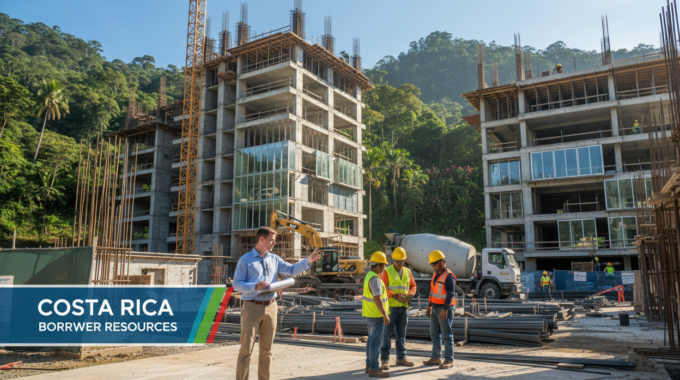
Hard Money Loans for Costa Rica Construction Projects
Building in Costa Rica is an exciting prospect. The real estate market here attracts growing foreign investment, with property values appreciating steadily in sought-after locations. Whether you’re planning a vacation home, an investment property, or a commercial development, the opportunity is clear.
Yet, securing the necessary financing can be an immediate hurdle. Local banks often require borrowers to be legal residents or have a significant local financial history. This creates a frustrating barrier for many foreign property owners.
We are here to help you navigate this landscape. At GAP Equity Loans, we provide educational resources on real estate-backed equity financing specifically for construction. Our focus is on a clear, documentation-driven process.
Traditional bank financing can be slow or inaccessible for non-residents. This reality creates a strong demand for alternative financing solutions that can keep pace with your project’s timeline.
Please understand: this content is borrower education, not legal or tax advice. We work directly with private lenders. When a deal is approved, we coordinate to place the lender in a clean, first-lien mortgage position—no second liens.
Our focus is strictly on real estate equity loans for construction. We do not offer HELOCs, crowdfunding, or unrelated products. We operate with a guideline of up to 50% loan-to-value (LTV). A lower LTV, combined with strong documentation, typically leads to a better fit and smoother approval. You can learn more about this approach in our guide to understanding hard money loans.
Costa Rica has a famously relaxed business culture—no suits required. However, we maintain the professional standards essential for substantial financial transactions. Let’s explore how this type of financing works.
Exploring Costa Rica’s Construction Financing Landscape
For foreign property owners, the dream of building in Costa Rica often meets the reality of complex financing hurdles. The country’s stable economy and strong real estate appreciation make it a compelling investment. Foreign buyers also have full ownership rights.
Yet, accessing traditional construction financing here is difficult. Local banks like BAC San José or Banco Nacional often require legal residency. They struggle to verify foreign income and credit history.

This creates lengthy approval processes. When banks do work with non-residents, they typically demand large down payments of 30-50% and extensive translated documentation.
This gap has spurred alternative financing solutions. These options focus on your property’s equity and project viability, not just personal credit. Understanding this landscape is key, and you can find more context in our comprehensive guide to building in Costa.
Hard Money Loans for Construction Projects in Costa Rica
When traditional banks say no, private lenders often say yes, especially for building projects. This type of financing is a practical solution for property owners who need funds quickly. It bypasses the slow, residency-focused hurdles of conventional institutions.
These private loans are secured by real estate equity. The focus is on your property’s value and your project’s viability, not your personal credit history. This makes them a strong fit for construction, where banks are often hesitant to lend on unfinished assets.

We coordinate this documentation-driven process with our network of private lenders. Our goal is to ensure every deal results in a clean, first-lien mortgage position for the lender. We do not facilitate second liens or subordinated loans, which protects everyone’s interests.
Approval hinges on the strength of your documentation and a sensible loan-to-value (LTV) ratio. Terms are typically shorter, aligning with a construction timeline of one to three years. Remember, we focus solely on real estate equity loans—not HELOCs or crowdfunding arrangements.
The Documentation-Driven Loan Process
We coordinate a structured loan process focused on legal clarity and asset protection. This approach ensures every step, from initial contact to funding, is transparent and document-based. We work directly with private lenders to manage this flow.
No guarantees of approval exist until all phases are complete. Thoroughness always trumps speed. This protects both you and the lender.
Intake and Initial Documentation
It starts with a conversation. We discuss your property and build plans. Then, we outline the specific documents needed to proceed.
You’ll gather details like ownership structure, tax status, and the registered property survey. Proof of equity and water access letters are also critical. This initial work sets clear expectations.
Due Diligence, Title Review, and Lien Registration
Next, the lender’s attorney conducts a full title review. They verify no existing liens block a first-position mortgage. Property boundaries and legal descriptions are confirmed.
After due diligence, we structure the loan terms. Closing coordinates all parties for document signing and fund transfer. Finally, the mortgage is registered in Costa Rica’s National Registry.
This lien registration is non-negotiable. It legally secures the lender’s position. Our documentation-driven method creates a sound, predictable financing process for your project.
Qualifying for a Costa Rican Hard Money Loan
Qualifying for financing in Costa Rica requires a different mindset than applying for a traditional mortgage. The process shifts focus away from personal credit scores and income verification. Instead, approval hinges on the strength of your property documentation and your equity position.
Preparing Your Property and Personal Documents
You must gather clear property records. This includes the registered survey, water access letters, and any easement agreements. Proof of your equity is also crucial—lenders need to see the property’s value far exceeds the loan amount.
Be ready to explain exactly how you’ll use the funds. A detailed construction plan and budget strengthen your case. Your personal identification and contact information must be current and accurate.
Understanding Ownership, Documentation, and Tax Requirements
Ownership structure matters. You can hold property in your name or through a local corporation. A qualified Costa Rican attorney can advise on the best setup for your situation.
You must show compliance with any local tax obligations. Documentation proving property taxes are current is often required. Remember, a lower loan-to-value ratio combined with impeccable paperwork significantly improves your fit for approval.
Comparing Traditional and Alternative Financing Options
Foreign investors often face a choice between local bank mortgages and private lending solutions. Understanding these financing options is key to a smooth project.
Local Bank Loans Versus Private Lenders
Costa Rican banks like BAC San José or Banco Nacional offer long-term mortgages. Their process, however, is lengthy and document-heavy for non-residents.
You’ll need official Spanish translations of foreign income proofs. Approval can take months. Private lenders take a different path.
Their focus is your property’s equity and build plan. This leads to faster decisions. Terms are shorter, fitting a typical construction timeline perfectly.
Offshore Financing Insights for International Buyers
Some buyers consider offshore lenders for English-language convenience. This is another option, but it often comes with higher costs.
Currency exchange and unfamiliarity with local law can add complexity. For many, a realistic assessment points toward private capital. It offers the most practical access.
Choosing the right path involves weighing the risks and rewards of each structure. We coordinate specifically with private lenders for equity-based loans.
Optimizing Loan-to-Value (LTV) & Strengthening Your Application
A strong financing application hinges on two key elements: your equity position and your documentation. Together, they determine your loan-to-value ratio and your overall fit for approval.
Guidelines Up to 50% LTV
Loan-to-value is the ratio of your requested loan amount to your property’s appraised value. We work with a guideline of up to 50% LTV.
This means the loan generally won’t exceed half of the verified property value. This conservative approach protects everyone by ensuring a substantial equity cushion.
Benefits of Strong Documentation and Lower LTV
A lower LTV significantly improves your application strength. Requesting 35% instead of 50% presents less risk, making approval more likely.
It can also lead to better loan terms. Complete, professional documentation further reduces perceived risk. Lenders respond positively to organized files that show your seriousness.
Combining a lower LTV with impeccable paperwork creates your strongest possible application. These are guidelines to optimize your position, not guarantees of approval.
Preparing Essential Documentation for Approval
A complete documentation package forms the backbone of any successful loan application. We guide you through each required item to ensure clarity and compliance for your real estate project.
Property Details, Use, and Intended Fund Application
Begin with your property’s legal description and registered survey. This document confirms boundaries and shows any easements. Water access letters prove construction viability for your real estate assets.
Ownership proof is essential. Provide corporate papers if assets are held through a local entity. Also, show current property tax payments. Proof of your original purchase price helps establish equity.
Detail your intended use of funds with a realistic budget and timeline. This demonstrates project viability to lenders.
Additional Required Documents and Technical Reviews
Technical reviews involve an attorney’s title examination and a professional appraisal. Your attorney verifies no existing liens. The appraisal confirms your equity position in the estate.
Expect typical costs like appraisal fees ($500-$1,000) and attorney commissions. Mortgage registration fees and insurance payments are also part of closing. These costs and fees ensure a legally sound real estate asset transaction.
Navigating the Present Financing Environment in Costa Rica
The landscape for funding construction in Costa Rica is shaped by dynamic market forces and clear legal frameworks. We provide context on the current climate to help you plan effectively.
Insights for Today’s Market and Regulatory Considerations
Foreign investment in Costa Rican real estate continues to grow. This sustains strong demand and supports property value appreciation in key areas.
Costa Rican law grants foreign owners the same rights as citizens for titled property. The National Registry provides reliable title security. Coastal projects require special attention to maritime zone concession rules.
The current interest rate environment reflects both global trends and local factors. Understanding that rates fluctuate is part of smart timing for your investment.
Demand for construction financing remains steady. Many buyers choose to build custom homes or investment properties. Navigating local permit and environmental regulations is essential.
Working with experienced local professionals is the best path forward. Market conditions and rules can evolve, so current, knowledgeable guidance is key.
Wrapping Up Your Construction Financing Journey with Confidence
Ultimately, achieving your construction goals in Costa Rica relies on a well-prepared equity position and thorough paperwork. The financing process we coordinate is documentation-driven, focusing on your property’s value and a clear build plan.
This approach ensures realistic expectations. We provide educational resources, not legal advice or loan guarantees. Our role is to facilitate connections with private lenders for real estate-backed loans.
Ready to explore your financing options? Contact us via WhatsApp at +506 4001-6413, call our USA/Canada line at 855-562-6427, or visit gapequityloans.com. We’re here to answer questions and assess your project’s fit.
With proper preparation and professional guidance, securing the funds for your Costa Rican home or investment property is a clear, achievable path forward.
FAQ
What are the typical interest rates for this type of financing?
Interest rates for private financing on construction projects are higher than traditional bank mortgages, reflecting the short-term, equity-focused nature of the loan. They are competitive within the alternative lending market. The exact rate depends on the project’s risk profile, loan-to-value ratio, and your documentation strength.
How long does the approval and funding process usually take?
Our process is documentation-driven, not credit-score dependent. From receiving your complete application package, we typically move to a term sheet within days. The full process, including due diligence and lien registration, can often be completed in a few weeks, significantly faster than a local bank loan.
What documents are most critical for a strong application?
Clear property title, a detailed construction budget and timeline, and proof of your equity contribution are foundational. We also require a property survey, site plans, and your identification. Strong, organized documentation upfront is the best way to streamline approval and potentially secure better terms.
How does this financing differ from a loan with a Costa Rican bank?
Local banks focus heavily on your global income and credit history, with a lengthy approval process. We focus primarily on the equity in your property and the viability of your construction project. This makes private financing a practical solution for foreign buyers, retirees, or self-employed individuals who may not qualify with traditional institutions.
What is the maximum Loan-to-Value (LTV) ratio you offer?
We typically offer guidelines up to 50% LTV. This means the loan amount can be up to half of the property’s current appraised value. A lower LTV, supported by strong documentation, reduces risk and is viewed favorably, often leading to a smoother process.
Are there specific tax or legal considerations I should know about?
Yes. You must be current on all property taxes and your *maritime zone* concession fee, if applicable. We conduct a thorough title review to ensure there are no existing liens or encumbrances. Working with a reputable local attorney is non-negotiable to protect your property rights throughout the financing and construction process.
Can funds be used for purchasing land and building, or just construction?
These loans are typically structured for construction projects on land you already own. The funds are released in draws tied to verified construction milestones—like completing the foundation or roof—ensuring the capital is directly applied to building costs as outlined in your approved budget.
Article by Glenn Tellier (Founder of CRIE and Grupo Gap)
Sign up to start your loan today!
Related Posts:
Related Posts